
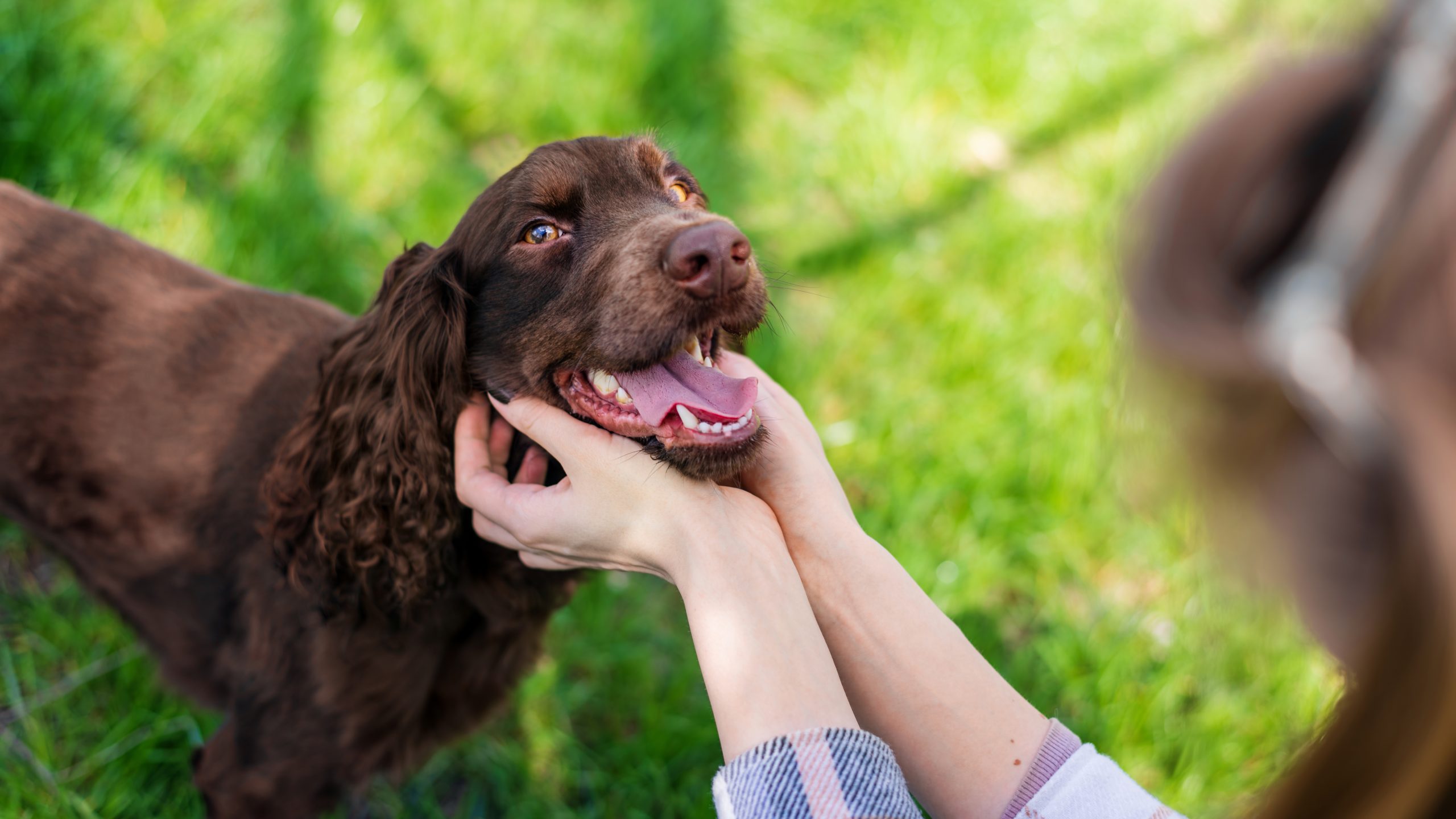
Quiet Behaviors That Show Your Dog Is Mentally Engaged

Quiet Behaviors That Show Your Dog Is Mentally Engaged: 6 Powerful Signs of a Happy, Focused Dog

Did you know that a dog quietly watching you is one of the signs of mental engagement? It’s true; dogs can participate in complex mental processes without making a sound. Observing these behaviors can clue in attentive owners about their dogs’ cognitive health and engagement.

Historically, understanding a dog’s mental engagement was limited to their overt actions. Now, experts recognize that subtle behaviors, such as quietly scanning their environment or maintaining eye contact, are indicators of an actively engaged mind. Research shows that mentally stimulated dogs exhibit fewer behavioral problems and enjoy better emotional health.

Dogs show mental engagement through quiet behaviors such as focused attention, calm sniffing, maintaining eye contact, solving puzzle toys methodically, and responding to commands silently. These subtle indicators reflect their cognitive activity and emotional stability, highlighting their ability to process information and stay mentally sharp without overt physical exertion.

Quiet Behaviors That Show Your Dog Is Mentally Engaged

Quiet Behaviors That Show Your Dog Is Mentally Engaged

Dogs can show mental engagement in ways that aren’t always loud or active. For instance, a dog quietly surveying its surroundings indicates curiosity and alertness. This behavior shows the dog is processing information about its environment. Paying attention to these quiet signs can help understand your dog’s cognitive health. It’s a subtle yet powerful indicator of a focused and healthy mind.

Another quiet behavior is a dog maintaining eye contact with you. This is more than just looking; it’s a sign of connection and attention. Dogs use eye contact to communicate and bond with their humans. This focused gaze can indicate the dog is mentally present and engaged with you. Recognizing this can strengthen your relationship with your pet.

Observe how your dog responds to quiet commands or tasks. A dog following instructions silently is demonstrating both mental focus and obedience. This calm behavior shows the dog’s ability to listen and process commands without becoming distracted. Such responses are key indicators of a mentally engaged dog. It’s rewarding to see your pet attentive and responsive.

Quiet sniffing is another sign of mental engagement. When a dog smells the air or ground calmly, they are gathering information. This behavior involves active thinking and memory recall. Dogs use their powerful sense of smell to learn and understand their surroundings. It’s a quiet but significant way for them to stay mentally sharp.

The Small Ways Your Dog Connects With You – Dog Behavior

Signs of Mental Engagement in Silent Canines

One sign of mental engagement in dogs is focused attention. When a dog silently observes you or its environment, it indicates a high level of awareness and processing. They might follow your movements with their eyes or watch other animals calmly. This behavior shows curiosity and cognitive activity. Quiet attention is a strong sign your dog is mentally engaged.

Another indication is the calm, controlled response to commands. A dog that obeys commands without any fuss is showing mental discipline. They listen, process the command, and act accordingly. This behavior is crucial for training and reinforcing positive habits. Silent obedience is a tell-tale sign of an engaged mind.

Quiet play can also be a sign of mental involvement. When a dog engages in playful activities calmly, such as solving a puzzle toy, they’re using their brain. Solving these puzzles requires concentration and cognitive skills. It’s a fun and effective way to keep a dog’s mind active. This quiet playtime is beneficial for mental health.

A dog that explores quietly is demonstrating a keen sense of smell and curiosity. Sniffing around the house or yard without barking shows they are gathering information. Dogs have an incredible sense of smell, which they use to analyze their surroundings. This quiet exploration keeps them mentally stimulated. It’s a natural and important behavior for cognitive engagement.

How to Observe Calm Cognitive Patterns

Observing a dog’s cognitive patterns involves paying attention to subtle signs. One effective way is to watch for sustained eye contact. When a dog fixes its gaze on something quietly, it’s indicating mental engagement. This eye contact can reveal a lot about their focus and alertness. It’s a simple but telling sign.

Another method is to observe their reaction to new stimuli. When presented with a novel toy or environment, a dog might explore slowly and calmly. This indicates they are processing the new information without stress. Quiet exploration is a good sign of a healthy cognitive process. It shows curiosity and adaptability.

Monitoring your dog’s response to commands is also key. Notice if they follow instructions with focus and minimal fuss. This demonstrates their ability to listen and act thoughtfully. A calm response to commands shows discipline and mental engagement. It’s crucial for effective training.

Regularly check how your dog interacts with puzzle toys. These toys are designed to challenge their minds and keep them engaged. Watch if your dog solves these puzzles methodically and calmly. This behavior shows they are using cognitive skills rather than relying on brute force. It’s an excellent way to gauge their mental engagement.

Why Quiet Moments Matter for Brain Health

Quiet moments are crucial for a dog’s brain health. During these times, dogs can process their surroundings and experiences without distractions. This leads to better cognitive development and mental stability. Regular quiet periods allow their brains to rest and rejuvenate. They are essential for maintaining overall mental well-being.

Stress reduction is another benefit of quiet moments. When dogs have time to relax, it decreases their stress levels. High stress can negatively impact their mental health. Providing a calm environment helps them feel safe and secure. Stress reduction promotes a healthier, happier brain.

Quiet moments also encourage mindful behaviors. Dogs will engage more thoughtfully with their environment when not overwhelmed by noise. This fosters a calm curiosity and allows for deeper cognitive processes. Mindful behaviors are crucial for problem-solving and learning. It’s a natural way for dogs to enhance their mental capabilities.

Quiet times can improve focus and attention. In a calm setting, dogs are better able to concentrate on specific tasks. This is especially important during training or mental exercises. Improved focus leads to better performance and learning outcomes. Quiet moments are therefore directly linked to success in cognitive activities.

Creating a quiet environment can also improve social interactions. Dogs that experience calm moments are more likely to exhibit friendly and approachable behaviors. Reduced anxiety enhances their ability to interact positively with humans and other pets. Social skills are an important aspect of a dog’s mental health. Quiet moments help nurture these abilities.

Lastly, quiet moments aid in recovery and healing. If a dog is recovering from an illness or injury, a peaceful environment can speed up the healing process. Less stress and more rest contribute to physical and mental recovery. Providing these calm periods is crucial for overall health. It’s a simple yet powerful tool for supporting your dog’s brain health.

Tips for Encouraging Subtle Mental Activity

Providing puzzle toys is a great way to stimulate your dog’s mind. These toys require mental effort to solve and keep your dog engaged. They come in various levels, from simple to advanced. You can start with easier ones and gradually increase the difficulty. This helps build your dog’s problem-solving skills.

Interactive games can also encourage mental activity. Games like hide-and-seek or treasure hunts are perfect for this purpose. Dogs love searching for hidden treats or toys. These games make them think and use their senses. It’s a fun way to keep their brains sharp.

Training sessions are another effective method. Teaching new commands or tricks keeps a dog mentally active. Use positive reinforcement to encourage them. This makes learning enjoyable and rewarding. Short, frequent training sessions are better than long ones.

Exploring new environments can stimulate your dog’s mind. Taking them on varied walks introduces new sights and smells. This variety keeps them curious and alert. It’s a simple way to enhance their mental activity. Different places offer new challenges and learning opportunities.

Social interactions with other dogs and people can boost mental engagement. Dogs learn a lot from interacting with others. It helps them understand social cues and behaviors. Organize playdates or visits to dog parks. These interactions are beneficial for their mental and emotional health.

Providing quiet time for reflection is equally important. After active mental activities, allow your dog time to rest and process. This balance of activity and rest maintains optimal brain health. Let them relax in a calm environment. It’s crucial for a holistic approach to mental wellbeing.

Did you know that a dog quietly watching you is one of the signs of mental engagement? It's true; dogs can participate in complex mental processes without making a sound. Observing these behaviors can clue in attentive owners about their dogs' cognitive health and engagement.

Historically, understanding a dog's mental engagement was limited to their overt actions. Now, experts recognize that subtle behaviors, such as quietly scanning their environment or maintaining eye contact, are indicators of an actively engaged mind. Research shows that mentally stimulated dogs exhibit fewer behavioral problems and enjoy better emotional health.

 Dogs show mental engagement through quiet behaviors such as focused attention, calm sniffing, maintaining eye contact, solving puzzle toys methodically, and responding to commands silently. These subtle indicators reflect their cognitive activity and emotional stability, highlighting their ability to process information and stay mentally sharp without overt physical exertion.

Quiet Behaviors That Show Your Dog Is Mentally Engaged

Dogs can show mental engagement in ways that aren't always loud or active. For instance, a dog quietly surveying its surroundings indicates curiosity and alertness. This behavior shows the dog is processing information about its environment. Paying attention to these quiet signs can help understand your dog's cognitive health. It's a subtle yet powerful indicator of a focused and healthy mind.

Another quiet behavior is a dog maintaining eye contact with you. This is more than just looking; it's a sign of connection and attention. Dogs use eye contact to communicate and bond with their humans. This focused gaze can indicate the dog is mentally present and engaged with you. Recognizing this can strengthen your relationship with your pet.

Observe how your dog responds to quiet commands or tasks. A dog following instructions silently is demonstrating both mental focus and obedience. This calm behavior shows the dog's ability to listen and process commands without becoming distracted. Such responses are key indicators of a mentally engaged dog. It’s rewarding to see your pet attentive and responsive.

Quiet sniffing is another sign of mental engagement. When a dog smells the air or ground calmly, they are gathering information. This behavior involves active thinking and memory recall. Dogs use their powerful sense of smell to learn and understand their surroundings. It's a quiet but significant way for them to stay mentally sharp.

The Small Ways Your Dog Connects With You - Dog Behavior

Signs of Mental Engagement in Silent Canines

One sign of mental engagement in dogs is focused attention. When a dog silently observes you or its environment, it indicates a high level of awareness and processing. They might follow your movements with their eyes or watch other animals calmly. This behavior shows curiosity and cognitive activity. Quiet attention is a strong sign your dog is mentally engaged.

Another indication is the calm, controlled response to commands. A dog that obeys commands without any fuss is showing mental discipline. They listen, process the command, and act accordingly. This behavior is crucial for training and reinforcing positive habits. Silent obedience is a tell-tale sign of an engaged mind.

Quiet play can also be a sign of mental involvement. When a dog engages in playful activities calmly, such as solving a puzzle toy, they’re using their brain. Solving these puzzles requires concentration and cognitive skills. It’s a fun and effective way to keep a dog’s mind active. This quiet playtime is beneficial for mental health.

A dog that explores quietly is demonstrating a keen sense of smell and curiosity. Sniffing around the house or yard without barking shows they are gathering information. Dogs have an incredible sense of smell, which they use to analyze their surroundings. This quiet exploration keeps them mentally stimulated. It's a natural and important behavior for cognitive engagement.

How to Observe Calm Cognitive Patterns

Observing a dog's cognitive patterns involves paying attention to subtle signs. One effective way is to watch for sustained eye contact. When a dog fixes its gaze on something quietly, it’s indicating mental engagement. This eye contact can reveal a lot about their focus and alertness. It's a simple but telling sign.

Another method is to observe their reaction to new stimuli. When presented with a novel toy or environment, a dog might explore slowly and calmly. This indicates they are processing the new information without stress. Quiet exploration is a good sign of a healthy cognitive process. It shows curiosity and adaptability.

Monitoring your dog’s response to commands is also key. Notice if they follow instructions with focus and minimal fuss. This demonstrates their ability to listen and act thoughtfully. A calm response to commands shows discipline and mental engagement. It’s crucial for effective training.

Regularly check how your dog interacts with puzzle toys. These toys are designed to challenge their minds and keep them engaged. Watch if your dog solves these puzzles methodically and calmly. This behavior shows they are using cognitive skills rather than relying on brute force. It's an excellent way to gauge their mental engagement.

Why Quiet Moments Matter for Brain Health

Quiet moments are crucial for a dog's brain health. During these times, dogs can process their surroundings and experiences without distractions. This leads to better cognitive development and mental stability. Regular quiet periods allow their brains to rest and rejuvenate. They are essential for maintaining overall mental well-being.

Stress reduction is another benefit of quiet moments. When dogs have time to relax, it decreases their stress levels. High stress can negatively impact their mental health. Providing a calm environment helps them feel safe and secure. Stress reduction promotes a healthier, happier brain.

Quiet moments also encourage mindful behaviors. Dogs will engage more thoughtfully with their environment when not overwhelmed by noise. This fosters a calm curiosity and allows for deeper cognitive processes. Mindful behaviors are crucial for problem-solving and learning. It's a natural way for dogs to enhance their mental capabilities.

Quiet times can improve focus and attention. In a calm setting, dogs are better able to concentrate on specific tasks. This is especially important during training or mental exercises. Improved focus leads to better performance and learning outcomes. Quiet moments are therefore directly linked to success in cognitive activities.

Creating a quiet environment can also improve social interactions. Dogs that experience calm moments are more likely to exhibit friendly and approachable behaviors. Reduced anxiety enhances their ability to interact positively with humans and other pets. Social skills are an important aspect of a dog's mental health. Quiet moments help nurture these abilities.

Lastly, quiet moments aid in recovery and healing. If a dog is recovering from an illness or injury, a peaceful environment can speed up the healing process. Less stress and more rest contribute to physical and mental recovery. Providing these calm periods is crucial for overall health. It’s a simple yet powerful tool for supporting your dog's brain health.

Tips for Encouraging Subtle Mental Activity

Providing puzzle toys is a great way to stimulate your dog's mind. These toys require mental effort to solve and keep your dog engaged. They come in various levels, from simple to advanced. You can start with easier ones and gradually increase the difficulty. This helps build your dog's problem-solving skills.

Interactive games can also encourage mental activity. Games like hide-and-seek or treasure hunts are perfect for this purpose. Dogs love searching for hidden treats or toys. These games make them think and use their senses. It's a fun way to keep their brains sharp.

Training sessions are another effective method. Teaching new commands or tricks keeps a dog mentally active. Use positive reinforcement to encourage them. This makes learning enjoyable and rewarding. Short, frequent training sessions are better than long ones.

Exploring new environments can stimulate your dog's mind. Taking them on varied walks introduces new sights and smells. This variety keeps them curious and alert. It’s a simple way to enhance their mental activity. Different places offer new challenges and learning opportunities.

Social interactions with other dogs and people can boost mental engagement. Dogs learn a lot from interacting with others. It helps them understand social cues and behaviors. Organize playdates or visits to dog parks. These interactions are beneficial for their mental and emotional health.

Providing quiet time for reflection is equally important. After active mental activities, allow your dog time to rest and process. This balance of activity and rest maintains optimal brain health. Let them relax in a calm environment. It’s crucial for a holistic approach to mental wellbeing.

The Role of Environment in Stimulating Silent Engagement

A dog's environment plays a significant role in their mental engagement. A calm and secure space allows dogs to focus better on subtle activities. Removing loud noises and distractions helps them concentrate on quiet behaviors. It's easier for them to process information when they feel safe. The right environment enhances their cognitive health.

Natural settings can provide excellent stimuli for silent engagement. Walks in the park or exploring a garden offer abundant sensory experiences. Dogs can quietly sniff and observe new surroundings. These activities are mentally enriching without being overwhelming. Nature has a way of keeping them curious and engaged.

Properly arranged indoor spaces can also encourage calm mental activities. Place puzzle toys and interactive games strategically around your home. This allows dogs to discover and engage with them quietly. You can create small challenges for them to solve. Even in familiar settings, there are many opportunities for silent engagement.

Introducing new objects periodically can stimulate a dog’s mind. Rotate their toys and add new items to their environment. This keeps them interested and mentally active. It prevents boredom and promotes exploration. A dynamic environment boosts their cognitive functions.

Environmental enrichment doesn’t always require significant changes. Simple adjustments like changing the walking route can make a difference. Dogs enjoy the novelty and it engages their senses. Switching things up maintains their interest and attention. Even small tweaks can be beneficial.

Lastly, social aspects of their environment are crucial. Interactions with other pets or family members add variety to their experiences. Observing others and learning new social cues in a quiet manner is part of mental engagement. A socially rich environment supports overall brain health. It's important to balance solitude with social interaction.

Comparing Active and Quiet Engagement in Dogs

Active engagement involves physical activities like running, fetching, or playing tug-of-war. These activities boost a dog's energy and keep them physically fit. They release excess energy, reducing chances of destructive behavior. Physical exercises are essential for maintaining muscle tone and agility. Dogs often show enthusiasm and excitement during active engagement.

On the other hand, quiet engagement includes calm activities like observing, sniffing, or following commands silently. These behaviors focus on cognitive skills rather than physical exertion. Quiet engagement helps dogs process information and develop problem-solving abilities. It promotes mental relaxation while keeping their minds sharp. These activities generally lead to a more balanced emotional state.

Both types of engagement are important for a dog's overall well-being. Active play supports cardiovascular health and reduces stress levels through exercise. Meanwhile, quiet moments foster deep thinking and emotional stability. A combination of both ensures comprehensive health benefits for your pet.

The environment plays a key role in facilitating both types of engagement. Outdoor spaces encourage active play with room to run and explore. Indoor settings can be designed to promote quiet engagement with toys and puzzles strategically placed around the home.

It's useful to balance these two types of engagements throughout the day. Schedule active playtimes alongside moments for quiet reflection or training sessions. This variety keeps your dog physically stimulated while also nurturing their mental health.

Recognizing when your dog needs more of one type over the other is crucial. Dogs may exhibit signs of boredom or frustration if lacking adequate physical activity or mental challenges. Observing their behavior helps determine which type of engagement they might need more at any given time.

When Is Silent Engagement Beneficial for Your Dog?

Silent engagement is particularly beneficial during times of stress. When a dog is stressed, providing a calm environment allowing for quiet mental activities can help soothe them. Gentle, silent moments can reduce their anxiety. It's a natural way for dogs to relax and regain emotional stability. Keeping the environment silent and serene can help stressed dogs tremendously.

Silent engagement is also important during recovery periods. If a dog is healing from an injury or illness, quieter activities are less physically demanding. They bring mental stimulation without exerting the body. This helps in maintaining mental health while the body recovers. Calm engagements can aid in faster recovery while making the healing process smoother.

Older dogs benefit greatly from silent engagement. As they age, their physical abilities diminish but their cognitive needs remain. Quiet activities help keep their minds active without tiring them out physically. This helps in sustaining mental sharpness even as they reduce physical activities. Providing silent cognitive exercises can be very beneficial for senior dogs.

For dogs with behavioral issues, silent engagement can be a part of their training. Calm activities can teach them patience and focus. By engaging in quiet but mentally stimulating tasks, dogs can learn to channel their energy in positive ways. This form of engagement helps in reducing unwanted behaviors. It's a method to teach discipline softly.

During intensive training or learning phases, silent engagement can be valuable. Dogs concentrating quietly on commands or tasks show deeper understanding. Such focused, quiet learning moments lead to better results and retention. Engaging in calm learning activities helps them develop strong cognitive skills. Silent engagement is an effective tool in advanced training scenarios.

Lastly, silent engagement is useful in building stronger bonds with humans. Calm interactions such as quiet companionship or gentle play foster deeper connections. Dogs feel more secure and loved in these moments. It strengthens trust and emotional ties between dogs and their owners. Silent engagement supports a harmonious and loving pet-owner relationship.

Recognizing Mental Fatigue vs. Healthy Engagement

Mental fatigue in dogs can manifest in several ways. A common sign is a lack of interest in activities that usually excite them. They may appear disinterested or reluctant to participate. Fatigued dogs can also show signs of irritability or frustration. Recognizing these behaviors helps in identifying mental exhaustion.

Healthy engagement, on the other hand, is characterized by active participation and curiosity. Dogs that are engaging healthily show enthusiasm for their activities. They are alert, focused, and responsive to commands. This type of engagement indicates a well-stimulated mind. It's a positive sign of cognitive health.

Monitoring energy levels is crucial for identifying fatigue. If a dog seems excessively tired or sluggish, it might be mentally overworked. Balanced energy levels, however, indicate healthy engagement. Active yet calm behavior shows a balanced mental state. It's important to differentiate between healthy tiredness and fatigue.

Behavioral changes can also signal mental fatigue. Sudden disobedience or withdrawal can be red flags. Healthy engagement involves consistent, positive behavior. By observing these changes, owners can adjust activities to better suit their dog's needs.

Rest and recovery periods are vital for mental health. Providing adequate breaks between activities helps prevent fatigue. Ensuring your dog has quiet, comfortable spaces for rest supports healthy engagement. These recovery times are essential for maintaining cognitive wellbeing.

Lastly, varying activities helps in avoiding mental exhaustion. Rotating games, training, and quiet moments keeps the mind engaged without overloading it. A diverse set of activities ensures balanced mental stimulation. Recognizing the need for variety can help in sustaining healthy engagement.

Frequently Asked Questions

Understanding your dog's quiet behaviors is essential for recognizing their mental engagement and overall well-being. Here are some commonly asked questions that address these subtle yet informative actions.

1. How can I tell if my dog is mentally stimulated?

Mental stimulation in dogs can be observed through their behavior and interactions. Dogs that are mentally stimulated often show curiosity by quietly sniffing around new environments or watching their surroundings attentively. They also engage with puzzle toys or tasks patiently and show keen interest in learning new commands.

Another sign is when your dog responds calmly to novel situations, indicating they are processing information without becoming stressed. Additionally, well-stimulated dogs tend to have fewer behavioral issues as they channel their energy into cognitive activities rather than destructive behaviors.

2. Why is it important for dogs to have quiet mental engagement?

Quiet mental engagement is crucial for a dog's cognitive health and emotional stability. It allows dogs to process and reflect on their experiences, reducing stress and anxiety levels. This kind of engagement fosters problem-solving skills and enhances their ability to focus and learn new commands effectively.

Additionally, quiet mental activities provide a balanced approach to stimulation, preventing them from becoming overstimulated or hyperactive. It’s essential for maintaining a healthy mental state and promoting overall well-being in dogs.

3. What are some activities that encourage quiet mental engagement for dogs?

Activities that promote quiet mental engagement include puzzle toys, interactive games like hide-and-seek, and gentle obedience training. Providing a variety of toys and rotating them to maintain interest can also stimulate their minds quietly. Encouraging them to explore new environments and introducing new scents can keep their cognitive senses sharp.

Setting up scent trails or simple treasure hunts with hidden treats can engage their sense of smell and problem-solving skills. Activities like these ensure your dog remains mentally active without becoming overstimulated or stressed.

4. How does quiet time benefit older dogs?

Quiet time is particularly beneficial for older dogs as it helps them relax and process information calmly. As physical activities may become challenging with age, mental stimulation through quiet engagement ensures their minds remain active and sharp. It can also soothe any age-related anxiety, providing a sense of security and comfort.

Additionally, older dogs benefit from the reduced physical strain that quiet mental activities offer, allowing them to stay engaged without overexerting themselves. It promotes a balanced mental state, contributing to their overall well-being and quality of life.

5. Can quiet mental engagement help reduce behavioral issues in dogs?

Yes, quiet mental engagement can significantly reduce behavioral issues in dogs. When dogs are mentally stimulated, they are less likely to develop destructive behaviors born out of boredom or excess energy. Engaging in quiet activities helps direct their focus and energy into positive channels, promoting good behavior.

Providing consistent mental challenges through calm activities builds discipline and patience. This mental focus reduces anxiety and frustration, contributing to a more balanced and well-behaved dog overall.

10 Quiet Behaviors Dogs Show Only When They LOVE You DEEPLY

Conclusion

Understanding and recognizing the quiet behaviors that show your dog is mentally engaged is essential for their well-being. These subtle signs provide insights into their cognitive health, helping you ensure they remain alert and focused. By fostering both quiet and active engagement, you promote a balanced mental state.

Incorporating calm activities into your dog's routine can reduce stress and behavioral issues while enhancing their overall mental health. Observing and supporting these behaviors not only strengthens your bond but also contributes to your dog's happiness and longevity. Prioritizing mental engagement is a key aspect of responsible pet ownership.


The Role of Environment in Stimulating Silent Engagement

A dog’s environment plays a significant role in their mental engagement. A calm and secure space allows dogs to focus better on subtle activities. Removing loud noises and distractions helps them concentrate on quiet behaviors. It’s easier for them to process information when they feel safe. The right environment enhances their cognitive health.

Natural settings can provide excellent stimuli for silent engagement. Walks in the park or exploring a garden offer abundant sensory experiences. Dogs can quietly sniff and observe new surroundings. These activities are mentally enriching without being overwhelming. Nature has a way of keeping them curious and engaged.

Properly arranged indoor spaces can also encourage calm mental activities. Place puzzle toys and interactive games strategically around your home. This allows dogs to discover and engage with them quietly. You can create small challenges for them to solve. Even in familiar settings, there are many opportunities for silent engagement.

Introducing new objects periodically can stimulate a dog’s mind. Rotate their toys and add new items to their environment. This keeps them interested and mentally active. It prevents boredom and promotes exploration. A dynamic environment boosts their cognitive functions.

Environmental enrichment doesn’t always require significant changes. Simple adjustments like changing the walking route can make a difference. Dogs enjoy the novelty and it engages their senses. Switching things up maintains their interest and attention. Even small tweaks can be beneficial.

Lastly, social aspects of their environment are crucial. Interactions with other pets or family members add variety to their experiences. Observing others and learning new social cues in a quiet manner is part of mental engagement. A socially rich environment supports overall brain health. It’s important to balance solitude with social interaction.

Comparing Active and Quiet Engagement in Dogs

Active engagement involves physical activities like running, fetching, or playing tug-of-war. These activities boost a dog’s energy and keep them physically fit. They release excess energy, reducing chances of destructive behavior. Physical exercises are essential for maintaining muscle tone and agility. Dogs often show enthusiasm and excitement during active engagement.

On the other hand, quiet engagement includes calm activities like observing, sniffing, or following commands silently. These behaviors focus on cognitive skills rather than physical exertion. Quiet engagement helps dogs process information and develop problem-solving abilities. It promotes mental relaxation while keeping their minds sharp. These activities generally lead to a more balanced emotional state.

Both types of engagement are important for a dog’s overall well-being. Active play supports cardiovascular health and reduces stress levels through exercise. Meanwhile, quiet moments foster deep thinking and emotional stability. A combination of both ensures comprehensive health benefits for your pet.

The environment plays a key role in facilitating both types of engagement. Outdoor spaces encourage active play with room to run and explore. Indoor settings can be designed to promote quiet engagement with toys and puzzles strategically placed around the home.

It’s useful to balance these two types of engagements throughout the day. Schedule active playtimes alongside moments for quiet reflection or training sessions. This variety keeps your dog physically stimulated while also nurturing their mental health.

Recognizing when your dog needs more of one type over the other is crucial. Dogs may exhibit signs of boredom or frustration if lacking adequate physical activity or mental challenges. Observing their behavior helps determine which type of engagement they might need more at any given time.

Learn more about dog behavior and mental stimulation here.

When Is Silent Engagement Beneficial for Your Dog?

Silent engagement is particularly beneficial during times of stress. When a dog is stressed, providing a calm environment allowing for quiet mental activities can help soothe them. Gentle, silent moments can reduce their anxiety. It’s a natural way for dogs to relax and regain emotional stability. Keeping the environment silent and serene can help stressed dogs tremendously.

Silent engagement is also important during recovery periods. If a dog is healing from an injury or illness, quieter activities are less physically demanding. They bring mental stimulation without exerting the body. This helps in maintaining mental health while the body recovers. Calm engagements can aid in faster recovery while making the healing process smoother.

Older dogs benefit greatly from silent engagement. As they age, their physical abilities diminish but their cognitive needs remain. Quiet activities help keep their minds active without tiring them out physically. This helps in sustaining mental sharpness even as they reduce physical activities. Providing silent cognitive exercises can be very beneficial for senior dogs.

For dogs with behavioral issues, silent engagement can be a part of their training. Calm activities can teach them patience and focus. By engaging in quiet but mentally stimulating tasks, dogs can learn to channel their energy in positive ways. This form of engagement helps in reducing unwanted behaviors. It’s a method to teach discipline softly.

During intensive training or learning phases, silent engagement can be valuable. Dogs concentrating quietly on commands or tasks show deeper understanding. Such focused, quiet learning moments lead to better results and retention. Engaging in calm learning activities helps them develop strong cognitive skills. Silent engagement is an effective tool in advanced training scenarios.

Lastly, silent engagement is useful in building stronger bonds with humans. Calm interactions such as quiet companionship or gentle play foster deeper connections. Dogs feel more secure and loved in these moments. It strengthens trust and emotional ties between dogs and their owners. Silent engagement supports a harmonious and loving pet-owner relationship.

Recognizing Mental Fatigue vs. Healthy Engagement

Mental fatigue in dogs can manifest in several ways. A common sign is a lack of interest in activities that usually excite them. They may appear disinterested or reluctant to participate. Fatigued dogs can also show signs of irritability or frustration. Recognizing these behaviors helps in identifying mental exhaustion.

Healthy engagement, on the other hand, is characterized by active participation and curiosity. Dogs that are engaging healthily show enthusiasm for their activities. They are alert, focused, and responsive to commands. This type of engagement indicates a well-stimulated mind. It’s a positive sign of cognitive health.

Monitoring energy levels is crucial for identifying fatigue. If a dog seems excessively tired or sluggish, it might be mentally overworked. Balanced energy levels, however, indicate healthy engagement. Active yet calm behavior shows a balanced mental state. It’s important to differentiate between healthy tiredness and fatigue.

Behavioral changes can also signal mental fatigue. Sudden disobedience or withdrawal can be red flags. Healthy engagement involves consistent, positive behavior. By observing these changes, owners can adjust activities to better suit their dog’s needs.

Rest and recovery periods are vital for mental health. Providing adequate breaks between activities helps prevent fatigue. Ensuring your dog has quiet, comfortable spaces for rest supports healthy engagement. These recovery times are essential for maintaining cognitive wellbeing.

Lastly, varying activities helps in avoiding mental exhaustion. Rotating games, training, and quiet moments keeps the mind engaged without overloading it. A diverse set of activities ensures balanced mental stimulation. Recognizing the need for variety can help in sustaining healthy engagement.

Frequently Asked Questions

Understanding your dog’s quiet behaviors is essential for recognizing their mental engagement and overall well-being. Here are some commonly asked questions that address these subtle yet informative actions.

1. How can I tell if my dog is mentally stimulated?

Mental stimulation in dogs can be observed through their behavior and interactions. Dogs that are mentally stimulated often show curiosity by quietly sniffing around new environments or watching their surroundings attentively. They also engage with puzzle toys or tasks patiently and show keen interest in learning new commands.

Another sign is when your dog responds calmly to novel situations, indicating they are processing information without becoming stressed. Additionally, well-stimulated dogs tend to have fewer behavioral issues as they channel their energy into cognitive activities rather than destructive behaviors.

2. Why is it important for dogs to have quiet mental engagement?

Quiet mental engagement is crucial for a dog’s cognitive health and emotional stability. It allows dogs to process and reflect on their experiences, reducing stress and anxiety levels. This kind of engagement fosters problem-solving skills and enhances their ability to focus and learn new commands effectively.

Additionally, quiet mental activities provide a balanced approach to stimulation, preventing them from becoming overstimulated or hyperactive. It’s essential for maintaining a healthy mental state and promoting overall well-being in dogs.

3. What are some activities that encourage quiet mental engagement for dogs?

Activities that promote quiet mental engagement include puzzle toys, interactive games like hide-and-seek, and gentle obedience training. Providing a variety of toys and rotating them to maintain interest can also stimulate their minds quietly. Encouraging them to explore new environments and introducing new scents can keep their cognitive senses sharp.

Setting up scent trails or simple treasure hunts with hidden treats can engage their sense of smell and problem-solving skills. Activities like these ensure your dog remains mentally active without becoming overstimulated or stressed.

4. How does quiet time benefit older dogs?

Quiet time is particularly beneficial for older dogs as it helps them relax and process information calmly. As physical activities may become challenging with age, mental stimulation through quiet engagement ensures their minds remain active and sharp. It can also soothe any age-related anxiety, providing a sense of security and comfort.

Additionally, older dogs benefit from the reduced physical strain that quiet mental activities offer, allowing them to stay engaged without overexerting themselves. It promotes a balanced mental state, contributing to their overall well-being and quality of life.

5. Can quiet mental engagement help reduce behavioral issues in dogs?

Yes, quiet mental engagement can significantly reduce behavioral issues in dogs. When dogs are mentally stimulated, they are less likely to develop destructive behaviors born out of boredom or excess energy. Engaging in quiet activities helps direct their focus and energy into positive channels, promoting good behavior.

Providing consistent mental challenges through calm activities builds discipline and patience. This mental focus reduces anxiety and frustration, contributing to a more balanced and well-behaved dog overall.

10 Quiet Behaviors Dogs Show Only When They LOVE You DEEPLY

Conclusion

Understanding and recognizing the quiet behaviors that show your dog is mentally engaged is essential for their well-being. These subtle signs provide insights into their cognitive health, helping you ensure they remain alert and focused. By fostering both quiet and active engagement, you promote a balanced mental state.

Incorporating calm activities into your dog’s routine can reduce stress and behavioral issues while enhancing their overall mental health. Observing and supporting these behaviors not only strengthens your bond but also contributes to your dog’s happiness and longevity. Prioritizing mental engagement is a key aspect of responsible pet ownership.

Similar Posts