7 Indoor Activities to Keep Your Dog Happy During Cold Days
When the days grow colder, keeping your dog entertained indoors can be a delightful challenge. Many pet owners are often surprised to find that dogs require a significant amount of mental and physical stimulation, even when they can’t venture outside. Engaging indoor activities can ensure your furry friend stays happy and healthy despite the winter chill.
Incorporating activities such as puzzle toys and indoor agility courses can be highly beneficial. Historically, these activities have been proven to enhance a dog’s cognitive functions and physical health. According to recent surveys, over 60% of dog owners who regularly use indoor activities report noticeably happier and more well-behaved pets.
Engage your dog indoors during cold days with puzzle toys, interactive games like hide-and-seek, and indoor agility courses using household items. Rotate toys regularly to maintain interest. Play sessions and obedience training provide mental stimulation and physical activity, keeping your dog happy and healthy when outdoor play isn’t possible.

Indoor Activities to Keep Your Dog Happy During Cold Days
Keeping your dog entertained indoors is crucial during the cold winter days. Dogs can become bored and restless if they don’t get enough stimulation. Interactive toys and puzzle games are great options. These activities can challenge their minds and keep them busy. Consider using treat-dispensing toys to make playtime more engaging.
Creating an indoor obstacle course can be a fun way to provide physical exercise. Use household items like chairs and cushions to set up jumps and tunnels. This kind of activity not only keeps your dog active but also strengthens their agility. It’s easy to adjust the difficulty based on your dog’s skill level.
Social interaction is another important aspect of keeping your dog happy. Arrange playdates with other dogs if possible, even indoors. If you don’t have other dogs to interact with, spend quality time playing with your dog. Regular play sessions can enhance your bond and provide the mental stimulation they need.
Setting up a safe indoor environment is essential for these activities. Make sure there are no hazardous items your dog could accidentally interact with. Use baby gates to section off areas and create a dedicated play zone. This ensures your dog stays safe while having fun indoors.
Indoor dog games for cold weather months
Benefits of Indoor Activities for Dogs in Winter
Indoor activities during winter are essential for your dog’s physical health. When outdoor exercise isn’t possible, activities like indoor fetch or tug-of-war can keep your dog active. These exercises help maintain muscle strength and overall fitness. Consistent physical activity reduces the risk of obesity and related health issues. Keeping your dog moving indoors is vital for their well-being.
Mental stimulation is another key benefit of indoor activities. Dogs need to engage their brains to stay happy and healthy. Puzzle toys and interactive games can provide the mental challenge they crave. These activities prevent boredom and destructive behaviors. Offering a variety of mental challenges will keep your dog’s mind sharp.
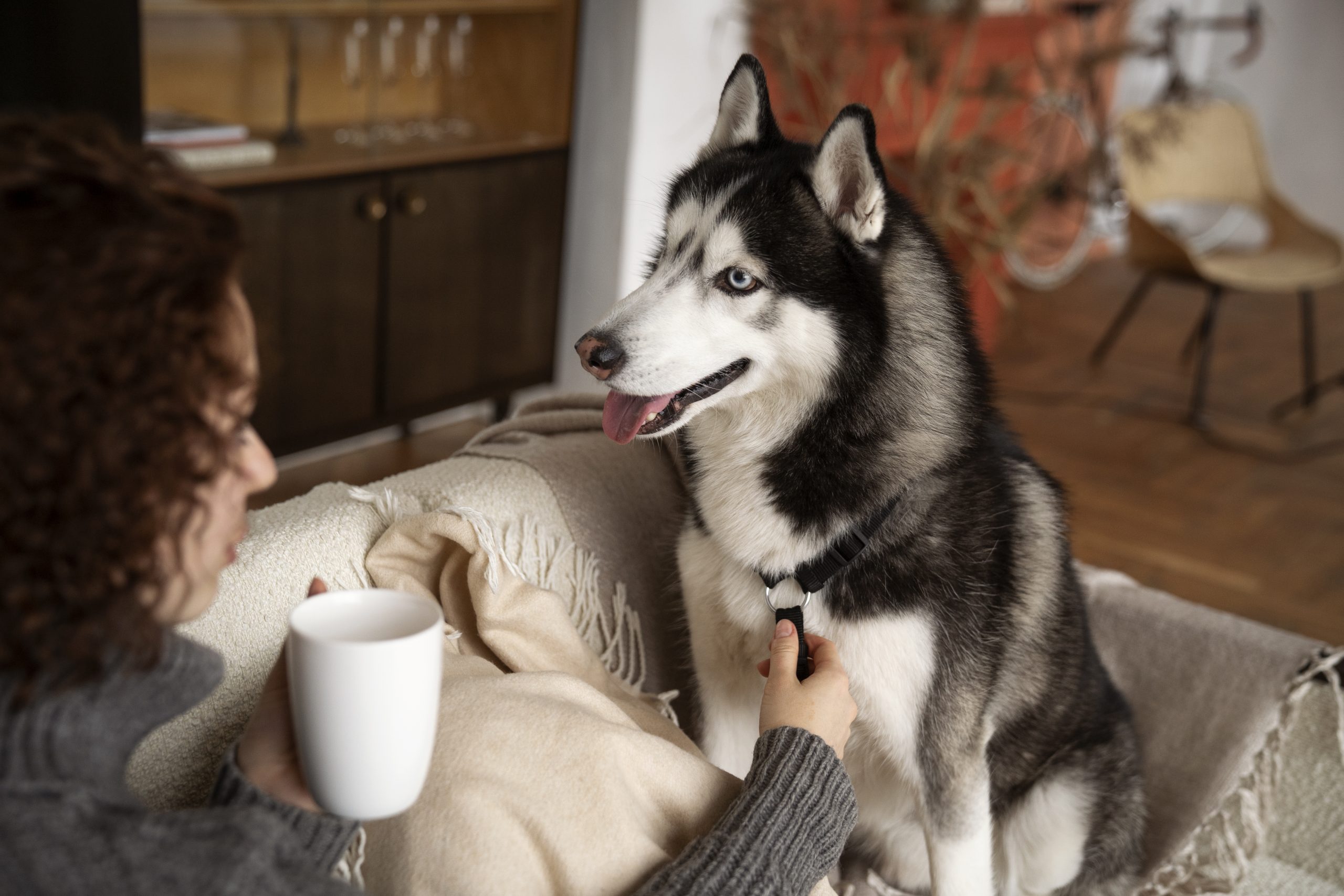
Indoor activities also strengthen the bond between you and your dog. Spending time together playing or training indoors fosters trust and companionship. These bonding moments are important, especially during colder months when you can’t go out as much. Regular interaction will strengthen your relationship and improve your dog’s overall mood.
Providing a safe indoor environment is crucial for these activities. Ensure there are no dangerous items your dog could chew or swallow. Create a dedicated space for play and training. Use baby gates or barriers to create safe zones. This way, your dog can enjoy their activities without any risks.
Creative Games and Puzzles for Mental Stimulation
Engaging your dog’s mind is just as important as physical exercise. Creative games and puzzles can provide excellent mental stimulation. Interactive toys, like treat-dispensing puzzles, challenge your dog to think. These activities keep your dog entertained for longer periods. Mental stimulation is crucial for preventing boredom and unwanted behavior.
One effective game is hide-and-seek with treats. Hide small treats around the house and let your dog find them. This game enhances your dog’s natural sniffing instincts. It’s a fun way to keep them active indoors. You can also incorporate this into training sessions for added mental exercise.
Creating a DIY puzzle box can be an engaging project. Use a cardboard box and cut holes for your dog to explore. Place treats inside and let your dog figure out how to retrieve them. This simple game can be incredibly stimulating. Adjust the difficulty based on your dog’s problem-solving skills.
Regularly rotating toys is another effective strategy. Dogs can quickly become bored with the same toys. Switch out toys every few days to maintain their interest. This keeps the mental challenge fresh. Variety is key to long-term engagement and mental stimulation.
Indoor enrichment is essential during colder months, and experts recommend interactive games and activities to keep dogs mentally stimulated.
Physical Exercise Options When Outdoor Play Isn’t Possible
When it’s too chilly for outdoor play, there are many ways to keep your dog physically active indoors. One effective option is playing fetch in a hallway or large living space. This can give your dog a good workout without needing to go outside. Be sure to use soft toys to avoid damage to walls or furniture. You can also make the game more challenging by incorporating obstacles.
An indoor obstacle course is a fantastic way to provide physical exercise. Use household items like chairs, cushions, and boxes to create jumps and tunnels. This setup can be changed regularly to keep your dog engaged. It also helps improve their agility and coordination. With a bit of creativity, you can set up a course that your dog will love.
Tug-of-war is another great indoor activity for exercise. Use a sturdy rope toy and let your dog tug while you hold the other end. This game can be adjusted in intensity based on your dog’s energy level. It’s an enjoyable way to strengthen your dog’s muscles. Always supervise to ensure the game stays safe and friendly.
Practicing obedience training indoors can also provide physical exercise. Commands like “sit,” “stay,” “come,” and “heel” involve movement and focus. These sessions can be both mentally and physically stimulating. You can use treats and toys as rewards to keep your dog motivated. This helps to improve overall behavior while keeping them active.
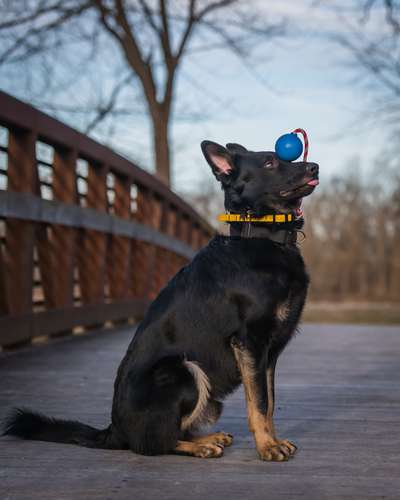
Interactive toys that encourage movement can be very effective. Toys that bounce unpredictably or move can motivate your dog to chase and pounce. These toys often require your dog to move around to catch them. They are great for burning off extra energy. Make sure the toys are safe and durable for indoor play.
Social Interaction and Enrichment Techniques
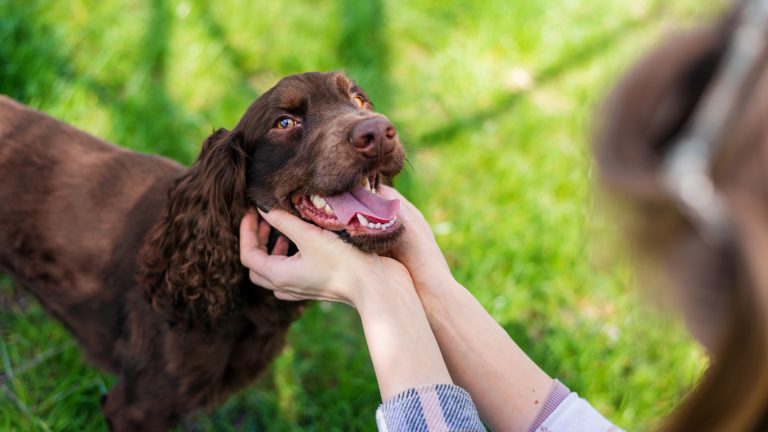
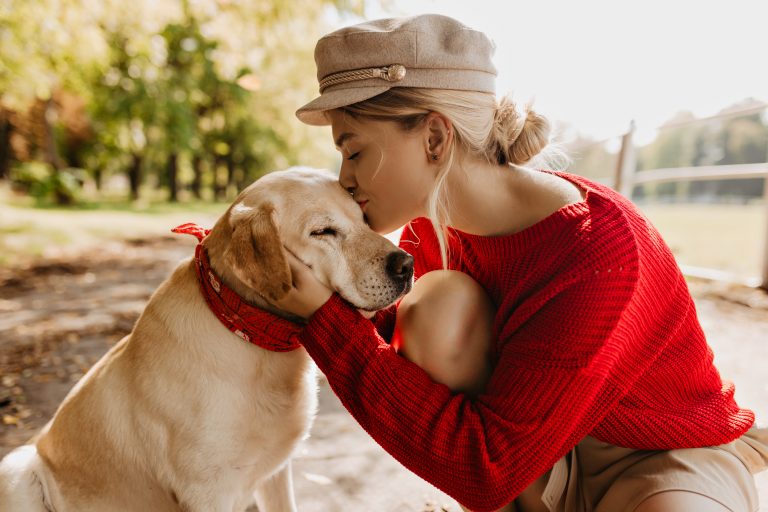
Social interaction is vital for maintaining your dog’s mental and emotional health. Spending quality time with your dog can prevent feelings of loneliness and anxiety. Simple activities like cuddling, talking, or playing together can deepen your bond. These interactions help your dog feel secure and loved. Make sure to allocate time for these daily connections.
Arrange indoor playdates with other dogs to boost social interaction. If you have friends with dogs, invite them over for a play session. This allows your dog to socialize and develop important social skills. Make sure the play area is safe and supervised. Dogs often benefit from interacting with their peers.
Enrichment techniques can further enhance your dog’s indoor experience. Provide a variety of toys and rotate them regularly to maintain interest. Puzzle toys keep your dog engaged and mentally stimulated. Another option is snuffle mats, which encourage natural foraging behaviors. These activities can be engaging and fulfilling for your dog.
Training sessions are a great way to combine social interaction and enrichment. Teaching new commands or tricks can be a mentally stimulating activity. Use positive reinforcement techniques like treats and praise to motivate your dog. This not only improves behavior but also strengthens your bond. Aim for short, regular sessions to keep your dog interested.
Interactive games can offer valuable enrichment. Games like hide-and-seek or tug-of-war involve both physical and mental exercise. They require your dog to think and move, providing comprehensive stimulation. These games are also a fun way to spend time together indoors. Variety in activities keeps your dog challenged and happy.
Providing proper indoor care, including exercise and stimulation, is key to maintaining your dog’s well-being.
Tips for Setting Up a Safe and Engaging Indoor Environment
Creating a safe and engaging indoor environment for your dog is essential. Start by removing hazardous items that your dog might chew or swallow. This includes electrical cords, small objects, and toxic plants. Make sure all dangerous items are out of reach. Safety should always be your top priority.
Designate a specific area for your dog’s activities. Use baby gates or barriers to create a safe play zone. This helps prevent your dog from wandering into unsafe parts of the house. Fill this area with toys, puzzles, and comfortable bedding. An organized and dedicated space encourages your dog to enjoy their indoor time.
Regularly rotating toys is important to maintain your dog’s interest. Dogs can quickly become bored with the same toys.
- Swap toys every few days to keep your dog engaged.
- Offer different types of toys that cater to various play styles.
This prevents boredom and ensures variety in your dog’s playtime activities.

Interactive toys and puzzles can make the indoor environment more stimulating. Choose toys that challenge your dog’s mind and involve physical movement. Toy Type Benefit, Treat-Dispensing, Toys Encourage Problem-Solving, Snuffle Mats Stimulate Natural Foraging .These tools provide hours of fun and enrich your dog’s indoor experience.
Ensure the indoor play area is comfortable and cozy. Provide a warm bed and consider placing it near a window for natural light. Keep the environment clean and free from clutter. A comfortable and inviting space will help your dog relax and enjoy their time indoors. It can also reduce stress and promote well-being.
Frequently Asked Questions
Discover answers to common inquiries about keeping your dog engaged and happy indoors. These insights will help you navigate how to best provide mental and physical stimulation during cold days.
1. What are the best toys for indoor dog play?
Interactive toys that dispense treats are always a hit. These toys challenge your dog to solve puzzles for rewards, keeping them occupied and mentally stimulated. Additionally, consider options like snuffle mats which mimic natural foraging behaviors and keep dogs engaged for longer periods.
Soft, durable chew toys can also be excellent for indoor play. These can help keep your dog’s teeth clean and provide an outlet for their natural chewing instincts. Variety is important, so rotating different toy types can keep your dog constantly interested and entertained.
2. How can I exercise my dog indoors?
Setting up an indoor obstacle course is a fun way to keep your dog active. Use household items such as chairs, cushions, and blankets to create jumps and tunnels. This keeps your dog physically challenged and engaged in their environment.
In addition to obstacle courses, interactive games like fetch and tug-of-war can provide ample exercise indoors. Regularly scheduled playtimes can mimic outdoor activities and help maintain your dog’s physical fitness. Ensure safety by removing any potential hazards from the play area.
3. What mental activities can I do with my dog inside?
Puzzle toys are fantastic for mental stimulation. These toys often require your dog to manipulate pieces to access a treat, engaging their problem-solving skills. Another great option is teaching your dog new tricks, which provides mental exercise and strengthens your bond.
Hide-and-seek games with treats can enhance their natural sniffing abilities. Place small treats around the house and encourage your dog to find them. This activity keeps their mind sharp and provides them with an enjoyable challenge.
4. How can I tell if my dog is bored indoors?
Signs of boredom in dogs often include destructive behavior like chewing furniture or shoes. Excessive barking or whining can indicate that your dog needs more stimulation. Watch for pacing or restlessness as those are also common signs your dog needs more activity.
To reduce boredom, ensure your dog has a variety of engaging activities. Rotate toys frequently and involve them in interactive games and training sessions. A schedule that includes both play and mental stimulation can prevent boredom effectively.
5. Are indoor play dates useful for social interaction?
Social interaction is incredibly beneficial for dogs. Indoor play dates provide opportunities for your dog to socialize even when outdoor play isn’t feasible. These sessions can improve social skills and offer new forms of engagement.
However, ensure the space is safe and supervise the interactions to prevent any conflicts. Keeping the environment controlled helps make play dates enjoyable for all dogs involved. Regular social interaction is key for maintaining a dog’s mental and emotional health.
Conclusion
Keeping your dog happy during cold days is essential for their well-being. Engaging them with a variety of indoor activities ensures they stay mentally and physically stimulated. By rotating toys and incorporating interactive games, you can prevent boredom effectively.
Social interactions and a safe environment are also crucial. Regular playdates and structured play zones foster a nurturing indoor experience. These efforts help maintain your dog’s overall happiness and health throughout the colder months.