Ways Dogs Adapt Their Behavior to Match Your Lifestyle: 9 Fascinating Signs of a Strong Bond

Ways Dogs Adapt Their Behavior to Match Your Lifestyle
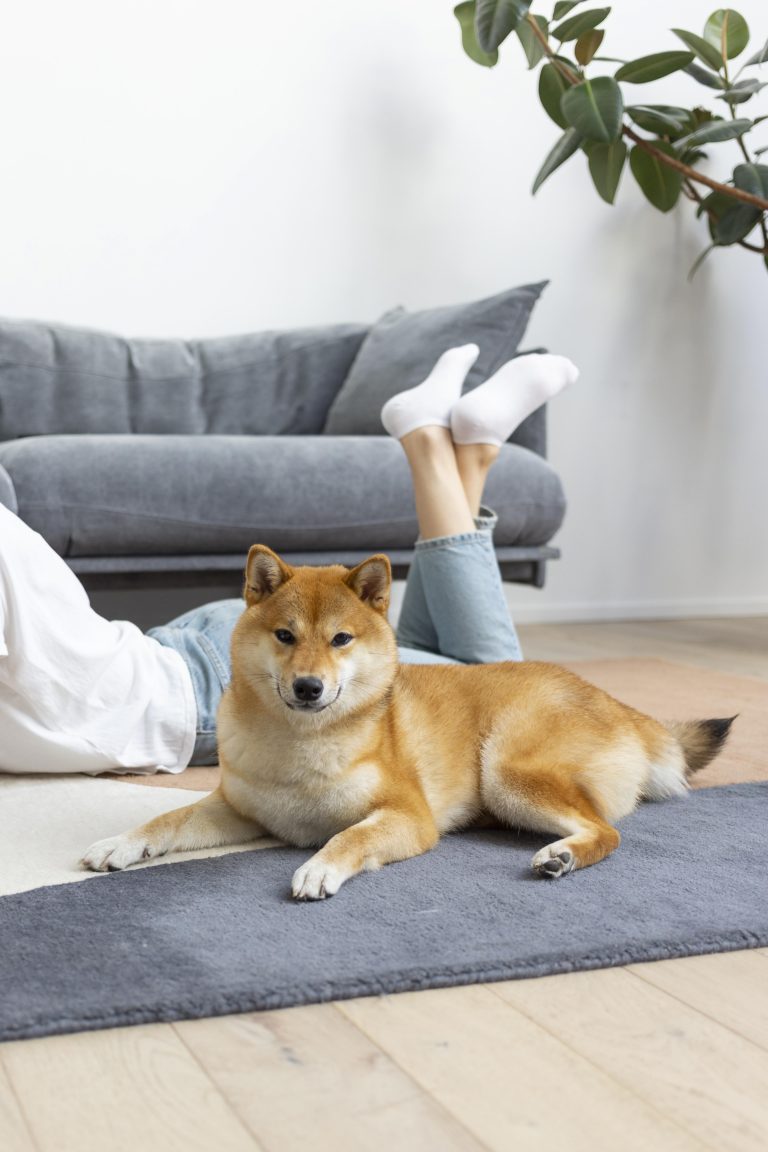
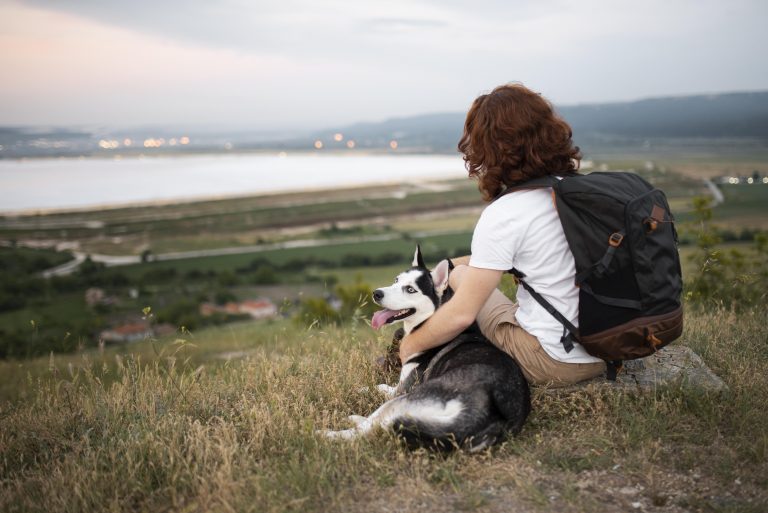
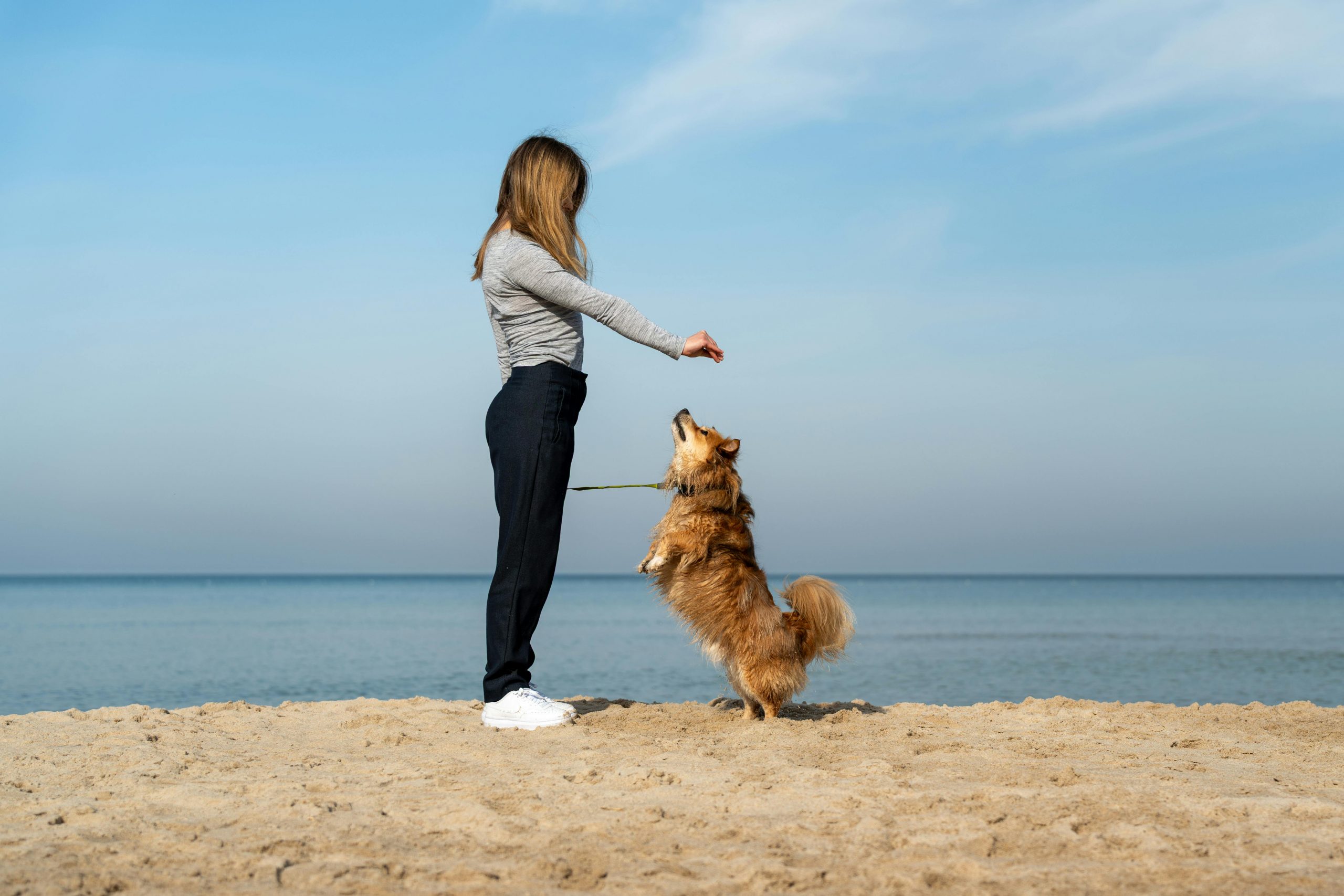
The ways dogs adapt their behavior to match your lifestyle are often more impressive than most people realize. Dogs are highly observant animals that constantly study routines, emotions, habits, and environmental patterns to better understand the people they live with.
Over time, dogs naturally adjust their own behavior to fit into the rhythm of your daily life. Whether your lifestyle is active and social or calm and predictable, your dog is quietly learning how to respond and adapt.
Understanding the ways dogs adapt their behavior to match your lifestyle can help strengthen communication, improve training, and deepen the emotional bond between you and your dog.
1. Ways Dogs Adapt Their Behavior to Match Your Lifestyle: Following Your Daily Routine
Dogs quickly learn patterns in everyday life.
They notice:
- Wake-up times
- Meal schedules
- Work routines
- Walking times
- Bedtime habits
One of the clearest ways dogs adapt their behavior to match your lifestyle is by anticipating these routines before they even happen.
For example, your dog may wait near the door when it’s time for a walk or settle down quietly once they recognize your nighttime routine.
Routine helps dogs feel safe and emotionally balanced.
2. Ways Dogs Adapt Their Behavior to Match Your Lifestyle: Matching Your Energy Levels
Dogs often mirror the energy of the people around them.
Highly active owners may notice their dogs becoming more energetic and playful, while calmer households often produce calmer dog behavior.
This is one of the most fascinating ways dogs adapt their behavior to match your lifestyle because it shows how emotionally connected dogs become to their environment.
Dogs naturally learn when it’s time to relax and when it’s time to be active.
3. Ways Dogs Adapt Their Behavior to Match Your Lifestyle: Reading Emotional Cues
Dogs are incredibly sensitive to human emotions.
They observe:
- Tone of voice
- Facial expressions
- Body posture
- Movement patterns
- Emotional energy
These observations help dogs understand how to respond in different situations.
For example, dogs may become more affectionate when their owner feels sad or stay calm when their owner remains relaxed.
This emotional awareness is one of the strongest ways dogs adapt their behavior to match your lifestyle.
4. Ways Dogs Adapt Their Behavior to Match Your Lifestyle: Adjusting to Household Rules
Dogs naturally learn boundaries when rules are consistent.
Over time, they adapt to:
- Furniture rules
- Feeding routines
- Walking expectations
- Quiet times
- Training structure
Consistent guidance helps dogs understand what behaviors are expected.
One of the most important ways dogs adapt their behavior to match your lifestyle is by adjusting to the structure you create within your home.
5. Ways Dogs Adapt Their Behavior to Match Your Lifestyle: Learning Your Social Habits
Dogs also adapt to how social their environment is.
For example:
- Dogs in busy homes may become more outgoing
- Dogs in quiet homes may behave more calmly
- Social owners often encourage confident social behavior in dogs
This adaptation happens gradually as dogs learn what situations are normal within their household.
6. Ways Dogs Adapt Their Behavior to Match Your Lifestyle: Responding to Daily Activities
Dogs often learn to anticipate specific daily events.
They may recognize:
- When you’re preparing for work
- When it’s exercise time
- When guests are arriving
- When the household is winding down
This anticipation is one of the subtle ways dogs adapt their behavior to match your lifestyle because dogs constantly observe patterns and routines.
7. Ways Dogs Adapt Their Behavior to Match Your Lifestyle: Adapting to Household Noise and Environment
Dogs become familiar with the sounds and pace of their home environment.
Some dogs adapt to:
- Loud households with children
- Apartment living
- Quiet work-from-home environments
- Frequent visitors or activity
Over time, dogs learn what is normal within their surroundings and respond accordingly.
This flexibility is another example of the ways dogs adapt their behavior to match your lifestyle.
8. Ways Dogs Adapt Their Behavior to Match Your Lifestyle: Mirroring Emotional Stability
Dogs often reflect the emotional atmosphere around them.
Stressful environments may create anxious or reactive behavior, while calm environments often encourage relaxed behavior.
Dogs feel more secure when owners remain:
- Calm
- Consistent
- Predictable
- Emotionally balanced
This emotional mirroring is one of the deepest ways dogs adapt their behavior to match your lifestyle.

9. Ways Dogs Adapt Their Behavior to Match Your Lifestyle: Strengthening Communication Patterns
Over time, dogs learn unique communication habits specific to their owners.
This may include:
- Responding to subtle gestures
- Recognizing routines without commands
- Understanding tone changes
- Anticipating expectations
These communication patterns become stronger as trust and consistency grow.
One of the most rewarding ways dogs adapt their behavior to match your lifestyle is through this silent understanding that develops naturally over time.
Why Adaptability Matters in Dogs
A dog’s ability to adapt is important for emotional balance and confidence.
Adaptable dogs are often:
- Easier to train
- More relaxed
- Better behaved
- More emotionally secure
However, dogs still need guidance, structure, and consistency to adapt successfully.
Understanding the ways dogs adapt their behavior to match your lifestyle helps owners create healthier and more supportive environments.
How to Support Positive Behavioral Adaptation
Here are a few ways to help your dog adapt in healthy ways:
Maintain Consistent Routines
Predictability helps dogs feel secure.
Use Clear Communication
Consistent commands and expectations reduce confusion.
Stay Emotionally Balanced
Dogs respond strongly to human energy and behavior.
Provide Mental and Physical Stimulation
Balanced activity helps dogs adapt calmly to different situations.
For more information about dog bonding and behavior, visit.
You can also explore professional training support here.
Final Thoughts
The ways dogs adapt their behavior to match your lifestyle reveal just how emotionally connected dogs are to the people they love. Dogs constantly observe, learn, and adjust in order to feel safe and connected within their environment.
By creating consistent routines, calm leadership, and clear communication, you help your dog adapt in positive and healthy ways. Over time, these small daily interactions build trust, understanding, and an even stronger bond between you and your dog.