Why Dogs Are Clingy in Winter: 4 Surprising Reasons Your Pup Stays Close in the Cold
Winter often brings with it a noticeable shift in our furry companions’ behavior. Dogs that are generally independent throughout the year might suddenly become more clingy when the cold sets in. This seasonal change can leave pet owners puzzled, but it’s a fascinating phenomenon worth exploring.
Historically, dogs have sought warmth and security during harsh weather conditions. A study found that pets are 22% more likely to stick close to their owners during winter months. These behaviors aren’t just physiological; they’re also deeply rooted in canine instincts for survival and comfort.
Dogs become clingy in winter due to seeking warmth and comfort, experiencing seasonal anxiety from changes in daylight, heightened need for security against harsh weather, and reduced activity leading to boredom. These factors collectively drive dogs to stick closer to their owners during colder months for both physical and emotional reassurance.

Why Dogs Are Clingy in Winter: 4 Reasons Your Pup Sticks Close in the Cold
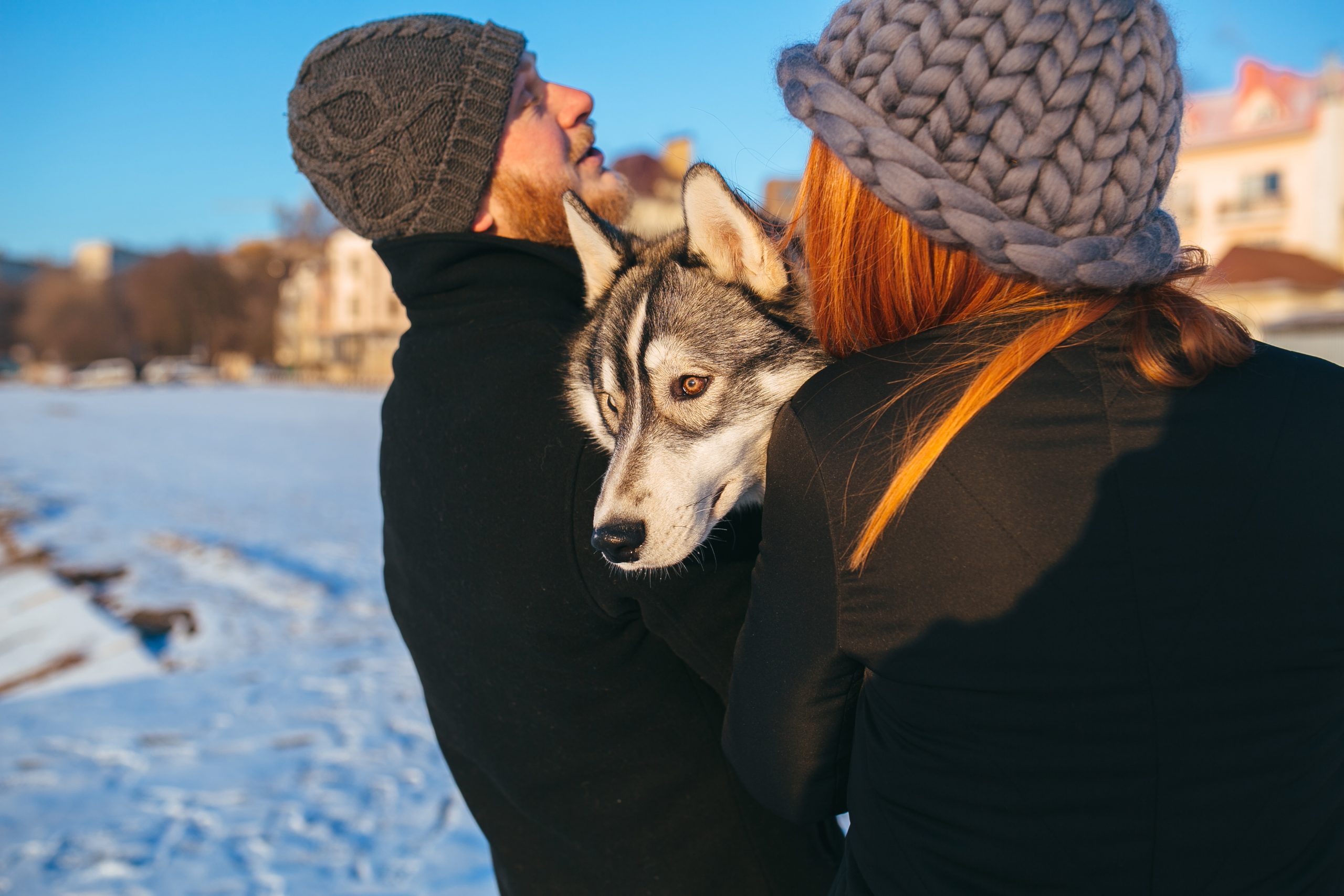
Winter brings cold weather, and dogs often seek warmth and comfort from their owners. Your body heat feels like a cozy blanket to them, providing much-needed warmth. This behavior is especially common in smaller breeds or those with less fur. They instinctively know you are a source of heat. As temperatures drop, this clinginess becomes even more noticeable.
Another reason dogs are clingy in winter is due to seasonal anxiety. Changes in daylight, colder temperatures, and the possibility of fewer outdoor activities can make them anxious. This anxiety often leads to clinginess. When your pup feels uncertain or stressed, they’ll stick close to you for reassurance. It’s their way of seeking comfort.
The need for security becomes heightened during winter months. Dogs naturally seek protection from the elements, and staying close to you makes them feel safer. This behavior dates back to their wild ancestors who survived by sticking with the pack. Being near you helps them feel protected from potential threats. It’s a natural survival instinct kicking in.
Reduced activity and boredom in winter can also contribute to clingy behavior. Shorter daylight hours and harsher weather limit outdoor play. Your dog might have extra energy and no way to burn it off. Staying close to you provides mental stimulation and a sense of connection. They rely on you to fill the void of their less active winter schedule.
Seeking Warmth and Comfort
When the weather becomes cold, dogs instinctively seek warmth and comfort. Your body heat provides a natural source of warmth that they find very comforting. This is especially true for smaller breeds or dogs with short fur. Without the insulation of thick coats, staying close to their owner helps them stay warm. It’s a simple yet effective way for them to seek comfort during the cold months.
The warmth that you provide isn’t just physical; it’s also emotional. Dogs have a strong bond with their owners, and closeness can provide a sense of security. When they are near you, they feel safe and less exposed to the elements. This emotional connection deepens during winter when dogs feel more vulnerable. Seeking comfort from you helps them cope with the season’s challenges.
A dog’s bed or crate can also be a source of warmth. Adding blankets or heating pads can make these spaces more inviting. However, many dogs still prefer the warmth that only a human can provide. Their natural instincts drive them to be near you, making them feel like they are part of a pack. This behavior has been passed down through generations.
In addition, dogs may choose specific spots in your home that offer additional warmth. These spots might include areas near heaters, fireplaces, or sunny windows. If you notice your dog gravitating towards these areas, they are likely seeking extra warmth. It’s a natural behavior that helps them stay comfortable during winter. Observing these tendencies can give you clues on how to make your pup feel more at ease.
Seasonal Anxiety and Changes in Daylight
During winter, dogs can experience seasonal anxiety due to shorter daylight hours. The lack of sunlight can disrupt their circadian rhythm. This disruption makes them feel more anxious and uneasy. Just like humans, dogs are sensitive to changes in light and temperature. This anxiety often leads them to seek comfort by staying close to their owners.
Less daylight can also mean fewer outdoor activities for your dog. Reduced exercise and stimulation can lead to restlessness and boredom. This behavior can exacerbate their anxiety, making them more clingy. When dogs are not able to burn off energy, they try to find solace through you. Simple activities and playtime indoors can help alleviate some of their stress.
Weather changes during the winter can play a significant role in how dogs feel. Extreme cold, snow, and wind make the outdoors less appealing and safe for them. This may leave them feeling confined and uneasy. Their natural reaction is to stick close to you, seeking assurance and warmth. Being indoors more often can make them crave your presence even more.
Changes in routine can also impact your dog’s mental well-being. They rely on consistency for a sense of security. If winter weather disrupts walks or playtime, they may become disoriented. This unfamiliarity can heighten their anxiety. Maintaining a regular indoor schedule can provide a sense of normalcy and reduce their clinginess.
Heightened Need for Security
During the winter months, a dog’s need for security often increases. The harsh weather conditions outside can make them feel more vulnerable. Snow, ice, and cold winds are new challenges they must face. These elements can be intimidating, especially for smaller or older dogs. As a result, they seek the safety and security of their owner’s presence.
The increased darkness that comes with winter can also heighten a dog’s sense of insecurity. Shorter days mean less sunlight, which can make the world seem more unfamiliar. This can be unsettling for dogs who rely on their senses to feel safe. Darkness can obscure familiar scents and sounds, making them feel uneasy. By staying close, they feel more protected from unseen threats.
Dogs have strong instincts that drive their need for security. They descend from wild ancestors who relied on the pack for safety. In the wild, sticking together was necessary for survival. Modern dogs still carry these instincts, and during winter, they are more pronounced. Clinging to their owner is a way to fulfill these deep-rooted instincts.
Threats perceived in the environment, even if minor, can trigger clingy behavior. Dogs might hear loud noises like wind or snowplows, which can be startling. These unfamiliar sounds can make them feel anxious. Being close to their owner helps to calm their nerves. Your presence provides a sense of reassurance amidst the winter commotion.
Maintaining a consistent and secure environment helps alleviate their need for constant security. Keep their routines as regular as possible, even during winter. Provide safe spaces like crates or cozy corners where they can retreat. These measures help build a sense of stability. The more secure they feel, the less likely they are to cling excessively.
Engaging in indoor activities can also help. Mental stimulation through toys and games keeps their minds occupied. Interactive play strengthens your bond and reassures them of your support. A well-stimulated dog will feel more at ease. Their heightened need for security can be managed effectively with your care.
Reduced Activity and Boredom
When winter arrives, the drop in temperature can significantly reduce a dog’s activity levels. Cold weather, snow, and ice make regular outdoor exercise more challenging. This reduction in physical activity can lead to boredom. Dogs need regular mental and physical stimulation to stay healthy and happy. When they don’t get enough, they can become restless and clingy.
Indoors, dogs might not receive the same level of stimulation as they do outside. Limited space can restrict their ability to run and play. This can make them feel cooped up and restless. To counteract this, providing indoor activities is essential. Toys, puzzles, and interactive games can keep them engaged and mentally stimulated.
Boredom can manifest in several ways, including destructive behavior. Chewing on furniture, excessive barking, and digging are common signs. These behaviors are often cries for attention. By keeping them busy with toys and activities, you can help reduce this destructive tendency. An occupied dog is a happier dog.
Social interaction is another important aspect to consider. Dogs are social animals and need regular interaction. Reduced outdoor time can limit their opportunities to meet other dogs and people. Providing them with extra attention and playtime can help make up for this. Your involvement is crucial to their emotional and mental well-being.
Incorporating regular indoor exercise routines can help alleviate their restlessness. Simple activities like fetch, hide-and-seek, or agility courses can be done in the comfort of your home. These not only keep your dog’s mind sharp but also help burn off excess energy. A tired dog is less likely to display clingy behavior.
Maintaining a consistent routine despite the weather can also be beneficial. Dogs thrive on routine and knowing what to expect each day. Keeping meal times, play times, and rest times consistent helps provide stability. This regularity can reduce their anxiety and improve their overall mood. A stable routine is key to managing their energy and boredom during winter.
How Environment Affects Canine Behavior in Cold Seasons
The environment plays a significant role in shaping canine behavior during cold seasons. Low temperatures and icy conditions can restrict outdoor activities, impacting their physical health. Dogs may become less active and more prone to weight gain. Their natural curiosity can be stifled, leading to boredom. This lack of stimulation can affect their mental well-being.
Changes in weather can also affect a dog’s mood. Less sunlight and shorter days can lead to a condition similar to Seasonal Affective Disorder in humans. Dogs might show signs of lethargy or disinterest in usual activities. Providing additional light sources inside can help mitigate these effects. Keeping their environment bright and cheerful is essential.
Winter weather can also impact a dog’s social interactions. Snow and ice can make walks shorter and less frequent. This limits their chances to explore and meet other dogs. To compensate, arranging playdates or visits to indoor dog parks can be beneficial. Social interactions are crucial for maintaining their happiness.
Providing a comfortable indoor environment is crucial when outdoor conditions are harsh. Ensuring they have warm bedding and a designated quiet space can make a big difference. This space provides a safe retreat during stressful weather. Additionally, using heaters or blankets can make them feel cozy. A comfortable dog is a less anxious dog.
Owners can also consider investing in winter gear for their pets. Dog sweaters, boots, and other protective wear can make outdoor activities safer and more enjoyable. These items help maintain the dog’s body temperature and protect their paws from ice. Proper gear can encourage dogs to spend more time outside, even in colder weather.
Adapting routines to fit the season helps manage their energy levels. Shorter walks more frequently can be just as effective as longer ones in better weather. Incorporating more indoor exercises and mental games can ensure they remain active. Such adjustments help them cope with the changes winter brings. Keeping their routine consistent with necessary modifications ensures a happy and healthy dog.
Tips for Helping Your Clingy Dog Cope During Winter
Winter months can be tough on dogs, leading to clingy behavior. Creating a cozy and warm space for your dog can help them feel secure. Ensure their bed is well-insulated and placed away from drafts. Adding extra blankets can increase their comfort. A warm environment can reduce anxiety and neediness.
Maintaining a consistent routine is key in helping your dog cope with winter. Keep feeding times, walks, and play sessions on a regular schedule. Consistency provides a sense of security for your pet. Familiar routines help them know what to expect each day. This stability can ease their stress levels.
Engage in indoor activities that provide mental stimulation during the colder months. Puzzle toys, treat-dispensing balls, and interactive games are excellent options. These activities keep their mind active while burning off excess energy. Training sessions indoors can also be fun and rewarding for both you and your dog. Keeping them mentally occupied reduces clinginess.
Consider adjusting your outdoor exercise routine to fit the winter season better. Shorter but more frequent walks allow your dog to get fresh air without prolonged exposure to the cold. Use winter gear like dog boots and sweaters to protect them from harsh elements. Ensuring they are comfortable means they’ll enjoy being outside more.
If feasible, arrange playdates with other dogs or visit indoor pet-friendly spaces. Social interactions remain important even when outdoor time is limited. Playdates provide both socialization opportunities and physical exercise in a controlled environment.
Lastly, consider calming aids if your dog’s winter anxiety is severe. Products like calming sprays, diffusers, or special treats might help alleviate stress symptoms.
- Calming sprays
- Diffusers
- Special treats
Always consult with your veterinarian before introducing new products into their routine.
According to the American Kennel Club, understanding why dogs are clingy in winter can help owners support their pets through seasonal behavior changes that may stem from anxiety, temperature shifts, or routine disruptions.
Frequently Asked Questions
Understanding why dogs become clingy in winter can help pet owners provide better care for their furry friends. Here are some frequently asked questions related to this topic.
1. Do all dog breeds get clingy in winter?
While all dog breeds may show some change in behavior during winter, smaller breeds and those with less fur are more likely to become clingy. These dogs are more sensitive to cold and seek extra warmth, comfort, and security during colder months.
Larger breeds or those with thick coats may not show as much clinginess because they are better equipped to handle the cold. However, even they can become more attached due to reduced outdoor activities and changes in routine or daylight, which affect their behavior.
2. How can I help my dog deal with winter anxiety?
To help your dog manage winter anxiety, create a warm and comfortable space for them indoors. Incorporate blankets, heating pads, and cozy bedding to make them feel secure. Maintaining a consistent routine is also crucial in reducing their stress levels.
Engage them in indoor activities to keep their mind and body active. Puzzle toys and regular play sessions can help. If their anxiety is severe, consult your veterinarian about calming aids such as sprays or diffusers.
3. Are there any specific signs of winter-related anxiety in dogs?
Signs of winter-related anxiety in dogs include increased clinginess, restlessness, excessive barking, and changes in eating or sleeping habits. They may also show signs of depression, such as lethargy or disinterest in activities they usually enjoy.
Physical signs, such as shaking or trembling, can also indicate discomfort. It’s essential to pay attention to these behaviors and provide the necessary comfort and warmth to help them feel secure during the colder months.
4. Can exercise routines change in winter to help reduce clinginess?
Yes, adjusting your dog’s exercise routine in winter can help reduce clinginess. Shorter, more frequent walks are a good way to keep them physically active without exposing them to extreme cold for long periods.
Incorporate indoor exercises and interactive play to maintain their activity levels. This helps burn off excess energy, reducing restlessness and the likelihood of clingy behavior. Consistent exercise routines contribute to their overall well-being.
5. Should I use winter clothing for my dog?
Using winter clothing, such as dog coats, sweaters, and boots, can be beneficial, especially for small or short-haired breeds. These items help retain body heat and protect against cold winds and snow, making it more comfortable for them to be outdoors.
Dressing your dog appropriately for the winter not only keeps them warm but also encourages them to stay active during walks. However, always ensure that the clothing fits well and does not restrict their movement.
Conclusion
Understanding why dogs become clingy in winter helps pet owners provide better care. Seasonal changes like cold weather and reduced activity levels play significant roles. By creating a warm, engaging environment, anxiety can be minimized. Consistency and proper winter gear also support their well-being.
Adapting routines and offering extra comfort are key strategies. Recognizing signs of anxiety allows timely interventions. Ensuring physical and emotional needs are met contributes to a happier, healthier dog. These efforts strengthen the bond between pets and their owners during challenging winter months.