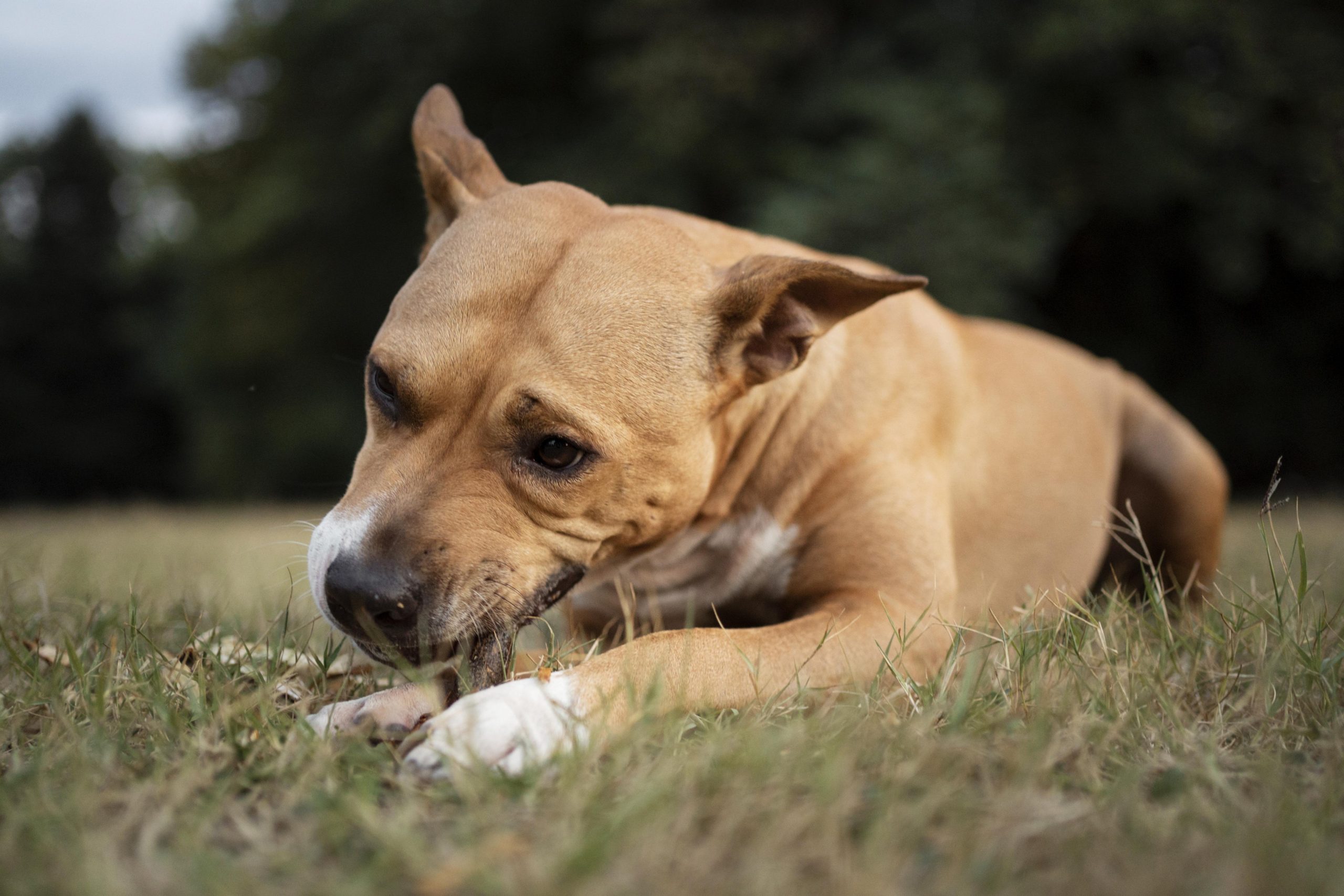
Little Fears Dogs Have: 7 Surprising Things Owners Often Overlook
Did you know many dogs have fears often dismissed by their owners? For instance, your dog’s hesitation to walk on shiny floors could be a genuine fear rather than stubbornness. Recognizing these fears can significantly impact their overall well-being.
Historically, certain dog behaviors linked to fear have been misunderstood. A startling 70% of dog owners aren’t aware of the subtle anxiety signs in their pets. Understanding these signs and addressing them can lead to more confident and stress-free pups.
Dogs can experience anxiety from loud noises, unfamiliar objects, certain smells, meeting new people or animals, changes in routine or environment, being left alone (separation anxiety), and during vet visits. Recognizing and addressing these fears enhances their well-being and strengthens the bond between pet and owner.

Little Fears Dogs Have: 7 Surprising Things Owners Often Overlook
Many dogs experience fear or anxiety around loud noises, such as thunderstorms or fireworks. This often goes unnoticed because it’s easy to think they’re just barking for attention. But, their anxiety can be intense, impacting their well-being. Addressing this may involve creating a safe space for them or using behavior modification techniques. Understanding these fears can greatly improve their quality of life.
Unfamiliar objects and surfaces can also trigger anxiety in dogs. For instance, some dogs fear walking on shiny floors. This behavior isn’t about stubbornness; it’s about trepidation. Being aware of this can help owners introduce new textures gradually. This approach builds confidence in their pets.
Another overlooked fear involves certain smells and scents. Dogs have a keen sense of smell, and some odors can trigger stress. Scents like citrus or strong cleaning products may be particularly problematic. Avoiding these can make for a calmer environment. This small change can ease your dog’s anxiety considerably.
Meeting new people or animals can be a significant source of anxiety for dogs. Initial encounters can be daunting, leading to nervousness or aggressive behavior. Knowing this can prompt owners to facilitate gradual introductions. This method can reduce stress and lead to more positive interactions. Ultimately, it improves the dog’s social experiences.
Fear of Loud Noises and Sudden Sounds
Loud noises such as thunderstorms, fireworks, or even household appliances can terrify dogs. This fear often triggers attempts to hide or escape. For some dogs, the fear is so intense it leads to physical symptoms like trembling or drooling. Recognizing these signs is the first step in helping them. Creating a quiet, safe place can provide much-needed comfort.
To help your dog cope with their fear of loud noises, consider using calming techniques. Playing soft music can mask the disturbing sounds. You can also use calming sprays or wraps designed to reduce anxiety. By creating a routine, your dog learns to associate these noises with safety. Over time, their fear may lessen.
It’s also helpful to desensitize your dog to these noises. This involves exposing them to the sounds in a controlled manner. Start with low volumes and gradually increase the intensity. Pair these sessions with positive reinforcement like treats or playtime. This approach helps your dog build a tolerance to audible stressors.
Additionally, consulting with a veterinarian can provide more options. They might suggest behavioral therapies or medication to manage severe anxiety. Every dog is different, so it’s essential to tailor the solution to their specific needs. This guidance can make a significant difference. Always prioritize your dog’s comfort and safety.
Anxiety Around Unfamiliar Objects and Surfaces
Dogs can develop anxiety when encountering unfamiliar objects or surfaces. This fear often manifests as hesitation to explore new areas or interact with unknown items. For example, a shiny floor or a strange piece of furniture can make them uneasy. Recognizing these fears allows owners to gradually introduce these new experiences. With patience, dogs can overcome their initial trepidation.
Gradual exposure to the unfamiliar can help reduce a dog’s anxiety. Start by allowing them to investigate the object or surface from a distance. Reward them with treats for calm behavior. Slowly decrease the distance over time. This step-by-step approach can build their confidence. Consistent positive reinforcement is key.
Using familiar items can also ease the process. Place a toy or blanket with the new object to make it less intimidating. The familiar scent provides comfort and reassurance. This method creates a sense of safety. It helps dogs associate the new experience with something positive.
If anxiety persists, consulting a professional trainer can provide additional strategies. They may suggest specific behavioral techniques or training exercises. These experts can tailor the approach to your dog’s unique needs. Professional guidance can be invaluable. It ensures a more comfortable and confident dog.
Sensitivity to Certain Smells and Scents
Dogs have an incredibly strong sense of smell, far superior to humans. This heightened sensitivity can make certain smells overwhelming or even distressing. Common household scents, such as cleaning products, perfumes, or even certain foods, can trigger an adverse reaction. It’s important to be aware of the scents around your home. Reducing these strong odors can create a more comfortable environment for your pet.
Being cautious about scented products is key. Avoid using heavily fragranced cleaners or air fresheners which can be particularly potent. Some essential oils, while pleasant to us, can be harmful or irritating to dogs. Always check what’s safe for your pet. This ensures their well-being and prevents any unnecessary discomfort.
If your dog displays unusual behavior, like persistent sneezing or rubbing their nose, it could be a reaction to a scent. Observing their behavior helps identify the cause. Removing the offending odor can lead to an immediate improvement. It’s a simple step with big benefits. Your dog’s comfort should always come first.
Here are some common scents that may bother dogs:
- Citrus fruits
- Vinegar
- Chlorine
- Ammonia
- Strong spices like pepper or chili
Always ensure that your dog’s space is free from these intense smells. Providing a scent-free zone can give them a place to retreat. This small change can make a big difference in their quality of life. Quiet, calm environments help reduce stress.
Apprehension When Meeting New People or Animals
Dogs can show nervousness when meeting new people or animals. This apprehension may stem from a lack of early socialization. When not exposed to different faces and furry friends as puppies, they may find new encounters stressful. Recognizing these signs early helps in addressing the anxiety. With understanding and patience, you can guide them through these moments.
Introducing your dog to new people should be a gradual process. Allow your pet to observe from a distance initially. Let them approach at their own pace, offering treats or praise for calm behavior. Consistency is key. Repeated positive experiences can build confidence over time.
When it comes to meeting new animals, safety is paramount. Ensure both pets are on a leash for the first introduction. Monitor body language closely. A relaxed demeanor indicates comfort, while signs of tension suggest the need for more gradual interaction. Supervised play sessions can also help.
Sometimes, hiring a professional trainer can be beneficial. They can provide personalized strategies tailored to your dog’s needs. This might include specialized socialization classes or one-on-one sessions. The extra support can make a significant difference. It helps ensure a more comfortable experience for your dog.
Here are some helpful tips for easing your dog into social interactions:
- Start with quiet and controlled environments
- Use positive reinforcement consistently
- Gradually introduce new stimuli
- Be patient and stay calm
- Seek professional advice if needed
Building positive social experiences is a process that takes time. Each dog is unique, so tailor the approach to fit your pet’s personality. Celebrate small victories along the way. Your efforts will lead to a happier, more sociable dog.
Stress from Changes in Routine or Environment
Dogs thrive on consistency, and significant changes in their routine or environment can cause stress. Moving to a new home, a new family member, or even rearranging furniture can unsettle them. Recognizable patterns provide dogs with a sense of security. When these patterns change, it disrupts their comfort zone. You’ll often notice signs of stress like restlessness, barking, or changes in appetite.
One effective way to ease this stress is to maintain some level of consistency. Keep feeding and walking schedules as regular as possible. Familiar items like bedding and toys can also provide comfort during transitions. Introducing new elements gradually helps too. Slowly adding new routines can make the transition smoother.
If you’re moving to a new home, allow your dog to adjust one room at a time. Restrict their access to one area initially, then gradually open up more spaces. This method lets them acclimate without feeling overwhelmed. Familiar scents can also help. Bringing over their favorite blanket or toy can ease the process.
Travel can be particularly stressful for dogs. Long car rides or plane trips disrupt their routine. Preparing your dog with short trips can help them get used to travel. Ensure they have access to water and breaks. Travel-friendly items, like portable dishes and familiar blankets, provide comfort.
Changes in household dynamics can also be a stressor. The introduction of a new pet or baby should be done with care. Give your dog plenty of positive attention. Monitor their interaction with the new family member to ensure a smooth transition. Balancing attention ensures no one feels neglected.
Aversion to Being Left Alone (Separation Anxiety)
Separation anxiety is a common issue for many dogs, leading to stress when left alone. This can manifest through behaviors like excessive barking, destructive behavior, or accidents in the house. The distress often starts as soon as their owner prepares to leave. These behaviors signal intense discomfort and fear of being abandoned.
To help alleviate separation anxiety, try establishing a stable leaving routine. Gradually increase the time you’re away in small increments. Start with just a few minutes and slowly extend the duration. This technique helps your dog understand you’ll return. Consistency and patience are key.
Creating a safe space also contributes to easing anxiety. Ensure this area has familiar items like toys, bedding, and water. Some owners find that leaving an article of clothing with their scent provides comfort. Soft music or white noise can drown out startling sounds. Each element plays a role in making your absence more bearable.
Professional help can be beneficial for severe cases. Veterinarians or animal behaviorists may suggest specialized training exercises or even medication if necessary. Tailoring these solutions to your dog’s specific needs ensures better results. Seeking expert advice shows commitment to your pet’s well-being.
Here are additional strategies:
- Interactive toys
- Avoiding dramatic departures and arrivals
- Puzzle feeders
- Regular exercise
Tackling separation anxiety involves effort but leads to rewarding outcomes for both you and your dog. Implementing these steps helps foster independence and confidence in your pet.
Discomfort During Handling or Vet Visits
Many dogs exhibit discomfort during handling or at vet visits. This can include fear of being touched in certain areas, leading to growling, whining, or attempts to escape. Vet visits, in particular, can be stressful due to unfamiliar surroundings and scents. Recognizing these signs of discomfort is crucial. They indicate significant anxiety that needs addressing.
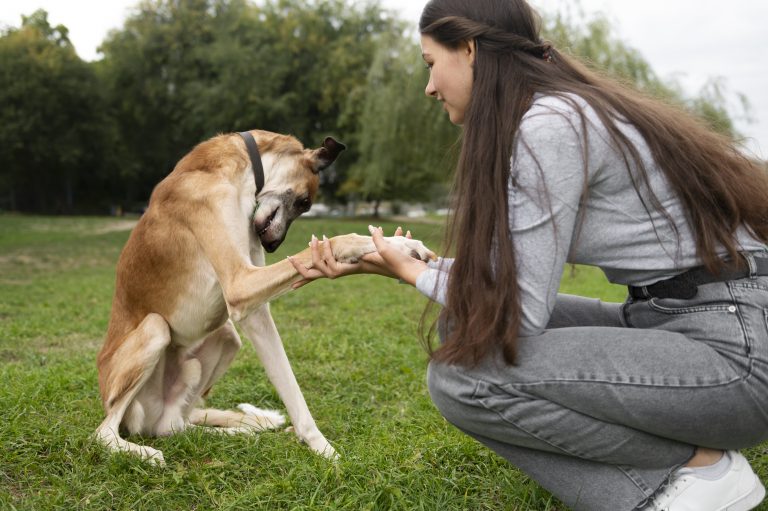
To help ease this distress, practice gentle handling at home. Regularly touch your dog’s paws, ears, and mouth to get them accustomed to being examined. Offer treats and praise for staying calm. This practice can make actual vet visits less intimidating. Over time, your dog will learn to associate handling with positive experiences.
When visiting the vet, take steps to reduce stress. Bring along their favorite toy or blanket to provide comfort. Familiar items can make an unfamiliar place feel safe. You may also consider scheduling appointments during quieter times. This minimizes exposure to other anxious pets and creates a calmer environment.
Some dogs may benefit from desensitization techniques before vet visits. Start by getting them comfortable with the clinic environment without undergoing an examination. Small, positive visits can help. Pairing these trips with treats and praises makes the experience less daunting. Repetition is key in easing their anxiety.
Here are some additional tips to make vet visits smoother:
- Practice car rides
- Use a calming pheromone spray
- Provide plenty of exercise beforehand
- Stay calm and composed
- Consult with your vet about anxiety-reducing options
With patience and consistent effort, you can significantly reduce your dog’s stress during handling and vet visits. Tailor these strategies to fit your dog’s specific needs. This will foster a more trusting and calm relationship between your pet and their care routine.
How Owners Can Spot and Address These Hidden Fears
Recognizing hidden fears in dogs is essential for their well-being. Watch for subtle signs of anxiety, such as excessive licking, panting, or trembling. Pay attention to situational behaviors, like avoiding certain rooms or objects. Such actions often indicate underlying fear. Knowing these signals enables better support for your pet.
Addressing these fears starts with creating a safe and predictable environment. Ensure consistency in daily routines, including feeding and walking times. Gradually introduce new experiences, objects, or people. This slow exposure helps build confidence. Keeping a calm and reassuring presence is crucial.
Positive reinforcement plays a significant role in easing anxiety. Reward calm behavior with treats or praises. This reinforces positive associations with previously fearful situations. Interactive toys and puzzle feeders can also distract and soothe. Activities that engage their mind provide comfort.
Sometimes, additional steps are needed for more severe anxiety. Consulting with a veterinarian or an animal behaviorist can offer tailored solutions. They might recommend specific training techniques or products like calming sprays. Medication may be considered in extreme cases. Professional advice ensures the best approach for your dog.
Here are some practical tips to help spot and address hidden fears:
- Keep a behavior diary to track anxiety triggers
- Use calming aids like diffusers or anxiety wraps
- Create a quiet space where your dog can retreat
- Introduce new stimuli gradually and patiently
- Engage in regular exercise to reduce stress levels
Being attentive to your dog’s signals and proactive in addressing their fears leads to a happier, healthier pet. Tailoring your approach to fit their unique needs creates trust and security. Your compassionate care makes all the difference in their world.
Why Addressing These Fears Matters for Your Dog’s Health and Happiness
Addressing your dog’s fears is crucial for their overall health and happiness. Unresolved anxiety can lead to physical issues like digestive problems and a weakened immune system. Chronic stress impacts their quality of life, making even simple daily activities stressful. Helping them overcome these fears leads to a happier, healthier pet. It strengthens the bond you share with them.
Behavioral problems often stem from unchecked fears. Destructive behaviors, aggression, and excessive barking are common reactions to anxiety. By addressing these issues early, you prevent them from becoming ingrained habits. It’s about more than managing symptoms; it’s about solving the root cause. Your dog can live a more relaxed and joyful life.
Positive mental health is just as important for dogs as it is for humans. A calm and confident dog is more likely to engage in play, social interactions, and exercise. These activities are vital for physical health and mental stimulation. Addressing their fears ensures they enjoy these essential parts of life. Well-being improves across the board.
Owners play a key role in managing their dog’s fears. Your attention and effort in providing a safe and supportive environment are invaluable. Consistent routines, gradual introductions, and positive reinforcement are all within your control. These actions show your dog that they are secure and loved. The benefits of a confident, happy dog are profound for both of you.
Consider these benefits of addressing your dog’s fears:
- Improved physical health
- Better behavior and fewer incidents
- Enhanced mental well-being
- Stronger bond with your pet
- Increased enjoyment of daily activities
Taking proactive steps to address your dog’s fears has far-reaching effects. It not only enhances their life but also enriches the relationship you have with them. Your efforts make a significant difference in their happiness and health.
According to guidance from the AKC, understanding the little fears dogs have can prevent anxiety-related behaviour in the long term.
Frequently Asked Questions
Understanding your dog’s hidden fears helps create a safer and happier environment. Here are five common concerns and practical tips to address them.
1. What are some signs my dog is scared of loud noises?
Dogs scared of loud noises might hide, whimper, or show signs like trembling and drooling. These reactions indicate high anxiety levels that need attention.
Using calming measures, such as creating a safe space and playing soft music, can help alleviate their fears. Gradual desensitization can also reduce their anxiety over time.
2. How can I help my dog adjust to new objects and surfaces?
Introduce new objects and surfaces slowly, allowing your dog to explore at its own pace. Start with brief exposure and reward calm behavior with treats and praise.
This same method can be applied to new surfaces. Over time, your dog will become more comfortable and confident in unfamiliar situations.
3. Why do certain smells upset my dog?
Dogs have an acute sense of smell, making strong scents like citrus and cleaning products overwhelming. These odors can cause stress or discomfort.
To create a calmer environment, avoid using heavily fragranced items around your dog. Opt for pet-safe products devoid of strong scents.
4. What can I do to ease my dog’s fear of meeting new people?
Gradual exposure to new people is effective. Let your dog observe from a distance, then allow it to approach when ready. Rewarding calm behavior with treats helps reinforce positive associations.
Over time, these controlled encounters can reduce your dog’s anxiety. Seeking help from a professional trainer can also provide tailored strategies.
5. How do I make vet visits less stressful for my dog?
Practice gentle handling at home to desensitize your dog to being touched. Familiarize them with the vet office by making small, positive visits without any examinations.
Bring their favorite toy or blanket to provide comfort during the visit. Using these methods can reduce your dog’s anxiety and make vet visits smoother.
Conclusion
Addressing the hidden fears of dogs is crucial for their overall well-being and happiness. By recognizing and acting on these subtle signs, owners can create a more comfortable and secure environment for their pets. This strengthens the bond between pet and owner.
Utilizing gradual exposure and positive reinforcement techniques can significantly reduce anxiety. Consulting professionals when needed ensures tailored solutions to fit individual needs. With consistent efforts, your dog can lead a more relaxed and joyful life.