
How Dogs Read Human Emotions: 5 Remarkable Ways They Understand Us
Ever noticed that dogs seem to know when you’re feeling down? This isn’t just a figment of your imagination. Research has shown that dogs have the ability to discern human emotions through a combination of their senses and instincts.
Dogs have a long history of living alongside humans, developing this extraordinary ability. Studies indicate that their keen sense of smell can detect hormonal changes that signal our emotional state. Additionally, their keen observation skills allow them to read our body language and facial expressions, making them truly remarkable companions.
Dogs read human emotions through:
- Recognizing human facial expressions
- Interpreting body language and gestures
- Sensing emotional changes through scent
- Responding to tone of voice
- Bonding through empathic behaviors
These remarkable abilities foster a deep connection, enhancing the bond between dogs and humans.

How Dogs Read Human Emotions: 5 Remarkable Ways They Understand Us
Dogs have an uncanny ability to recognize human facial expressions. They can tell if we are happy, sad, or angry just by looking at our faces. This skill helps them react in ways that make us feel better. They may come closer and offer comfort by cuddling or nuzzling us.
Another remarkable way dogs understand us is by interpreting our body language and gestures. They quickly learn what different movements mean, like pointing or waving. Dogs use this information to anticipate our actions and respond appropriately, enhancing communication between us and them.
Dogs can also sense emotional changes through scent. Our bodies release different chemicals and hormones depending on our emotional state. Dogs’ exceptional sense of smell allows them to detect these subtle changes. This ability plays a vital role in their responses to our emotions.
The tone of our voice is another key factor dogs use to read emotions. They listen to whether we speak in a calm, excited, or upset manner. Dogs adjust their behavior based on these vocal cues, showing empathy and understanding. Their responses strengthen the bond between humans and their canine companions.
Recognizing Human Facial Expressions
Dogs are remarkably skilled at recognizing human facial expressions. They can easily distinguish whether we are smiling or frowning. This skill allows them to understand our mood and intentions. When we smile, dogs often wag their tails and show excitement. Conversely, a frown might make them more cautious or attentive.
Studies have shown that dogs pay close attention to our eyes. They use our eye movements and gaze to interpret our emotions. This behavior is akin to how humans read each other’s emotions through eye contact. Dogs become more attuned to their owners’ facial expressions over time, making communication even more efficient.
Dogs don’t just recognize basic emotions like happiness or anger. They can also pick up on more subtle cues in our expressions. For instance, a slight raise of our eyebrows or the tightening of our lips. These small changes can communicate a lot to a dog, who adjusts their behavior accordingly.
Interestingly, dogs can even differentiate between genuine and fake emotions. If someone is pretending to be happy, dogs might not respond with the same enthusiasm. This ability shows just how in-tune dogs are with human facial expressions. They are truly impressive in their capacity to understand us.
Interpreting Body Language and Gestures
Dogs are incredibly adept at interpreting human body language and gestures. They quickly learn to associate specific actions with certain outcomes. For example, a simple point can direct a dog’s attention to a particular object. This understanding helps in training and daily interactions. Their ability to read our movements makes communication effortless.
Observing our overall body posture, dogs can gauge our mood and intentions. If we stand tall and move confidently, dogs may feel secure and follow our lead. On the other hand, if we display anxious or fearful body language, dogs might sense something wrong. They then respond accordingly, either by becoming alert or offering comfort.
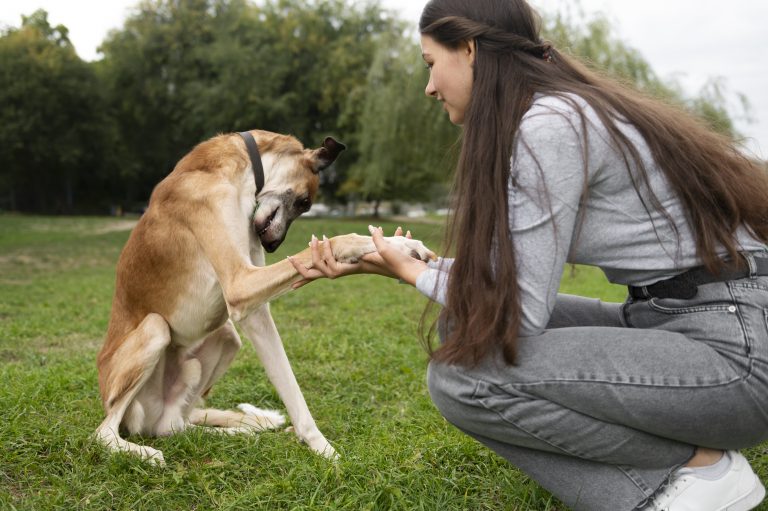
Hand signals are a significant part of how dogs interpret gestures. During training, dogs often learn commands that involve specific hand movements. Over time, they can even recognize subtle cues, like a small wave or a beckoning motion. This helps them understand what we want them to do without needing to speak.
Dogs also pay attention to the speed and intensity of our movements. Quick, energetic movements can indicate excitement or playfulness. Slow, deliberate gestures might suggest that we are calm or cautious. By interpreting these nuances, dogs adjust their actions to match our emotions and intentions.
Sensing Emotional Changes Through Scent
Dogs have an extraordinary sense of smell, which allows them to sense emotional changes in humans. When we experience different emotions, our bodies produce various chemicals and hormones. These changes are detected by dogs through their keen sense of smell. For example, a person who is stressed may release cortisol, a hormone that dogs can detect. This ability makes dogs highly attuned to our emotional states.
Not only do dogs sense emotional changes, but they also respond to them. If a dog detects that you are anxious or scared, it might come closer to offer comfort. They might nuzzle against you or simply stay by your side. This instinctive reaction helps in providing emotional support. It is one of the reasons dogs are often used in therapy settings.
Dogs can also distinguish between different types of emotional scents. They can tell the difference between someone who is happy and someone who is fearful. A happy human might emit scents that are different from a fearful human. Dogs use these scent cues to decide how to interact with people. This ability helps them provide the right kind of companionship and support.
Their scent-detection abilities are so refined that they can even predict oncoming medical events. Some dogs are trained to detect changes in a person’s body chemistry that might signal an upcoming seizure or a drop in blood sugar levels. This life-saving skill showcases just how in-tune dogs are with human physiology. Their noses truly make them incredible companions.
In addition to individual interactions, dogs can sense the overall mood in a room. If a space is filled with tension or excitement, dogs will respond to the collective emotional atmosphere. This helps them adjust their behavior to fit the environment. In family settings, dogs often work as emotional barometers, sensing the general mood and acting accordingly.
Responding to Tone of Voice
Dogs are highly sensitive to the tone of our voices. They can tell if we are happy, sad, or angry just by listening to how we speak. This ability helps them know how to react in different situations. If you use a cheerful tone, your dog is likely to get excited and happy. However, a stern or angry tone might make them feel scared or cautious.
Besides understanding emotions, dogs can also learn commands based on tone. A firm voice often indicates that an instruction should be followed. Gentle tones are usually associated with praise or rewards. This tonal communication helps in effective training and everyday interactions. Dogs quickly learn which tones mean good things and which do not.
Interestingly, dogs can distinguish between different frequencies and pitches in our voices. Higher pitches are generally perceived as friendly and non-threatening. Lower tones can be interpreted as a sign of authority or seriousness. Utilizing these variations helps in conveying the right message to your dog. They rely on these cues to understand us better.
Dogs are also adept at picking up on subtle changes in our voices. Even slight variations in pitch or volume can convey different messages. This acute sensitivity allows them to respond accurately. If you raise your voice slightly, a dog might realize you need immediate attention. This fine-tuned hearing enhances their ability to read human emotions.
In some cases, dogs use vocal cues almost as effectively as words. They might tilt their heads when we speak, trying to better understand our tone. This behavior shows their effort to comprehend what we are saying. It is another way dogs demonstrate their incredible ability to connect with us emotionally.
Bonding Through Empathic Behaviors
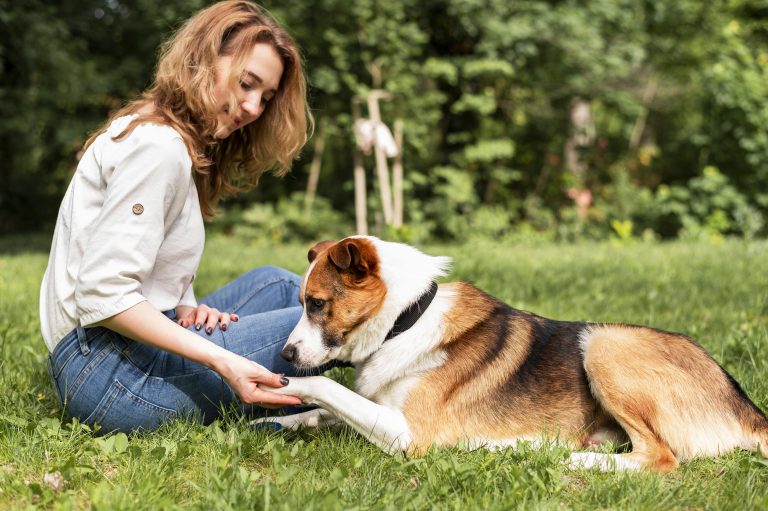
Dogs have a remarkable ability to bond with humans through empathic behaviors. They can sense when we are feeling down and often come to offer comfort. This could be in the form of a nuzzle, a lick, or simply sitting close to us. These actions aren’t random; they show that dogs understand our emotional needs. Their empathetic responses make us feel cared for and understood.
Empathy in dogs is seen when they mirror our moods. If we’re excited and happy, our dogs often mirror that energy, wagging their tails and jumping around. On the other hand, if we are quiet and relaxed, dogs will tend to be calmer too. This mirroring behavior helps strengthen the bond between dogs and their owners. It creates a sense of harmony in the relationship.
Dogs also exhibit empathic behaviors by guarding and protecting us. When they sense danger or discomfort, they often stand by our side. This protective instinct shows their deep connection and loyalty. It’s a powerful form of empathy, as they are willing to put themselves at risk for our safety. This behavior further cements their role as loyal companions.
Playing is another way dogs bond with us empathetically. They tune into our energy levels and match their play style accordingly. If we’re playful and energetic, they will engage in more active games. Conversely, if we are in a mellow mood, they might just lay beside us or engage in gentle play. These intuitive responses to our emotional states enhance mutual trust and companionship.
Interestingly, dogs also recognize and respond to our sadness. Many dogs will try to cheer us up by bringing their favorite toy or simply staying close. This natural behavior indicates their capacity for empathy. Their presence during tough times provides immense emotional support. It’s one of the many ways they deepen the bond with us.
The Science Behind Dogs’ Emotional Intelligence
Scientists have studied dogs’ emotional intelligence to understand how they connect with humans. Research has shown that dogs have a unique ability to read human emotions. This is largely due to their long history of coexisting with people. Over thousands of years, dogs have developed the capacity to interpret our emotional cues. This includes recognizing facial expressions, body language, and vocal tones.
A key factor in dogs’ emotional intelligence is their brain structure. Studies reveal that certain areas of a dog’s brain are similar to those of humans in interpreting emotions. For example, the amygdala, which processes emotions like fear and pleasure, functions similarly in both species. This shared brain structure helps explain why dogs can empathize with human feelings so effectively.
Hormones play an important role in the emotional bond between dogs and humans. Oxytocin, also known as the “love hormone,” increases when dogs and their owners interact positively. This hormone promotes social bonding and happiness, enhancing the connection between them. The mutual release of oxytocin strengthens the emotional benefits of dog-human relationships.
Dogs also rely on their senses to pick up emotional signals from humans. Their acute sense of smell allows them to detect hormonal changes linked to different emotions like stress or happiness. This sensory capability lets them respond appropriately to our emotional states. It’s another reason why they make such responsive and comforting companions.
Finally, genetics might also play a role in dogs’ empathy towards humans. Certain breeds are more responsive to human emotions due to their specific breeding history. For instance, breeds that were historically used for companionship may show higher levels of empathy and understanding toward people. Understanding these genetic factors can help us better appreciate the depth of our bond with dogs.
How Dogs’ Emotional Sensitivity Enhances Human-Animal Relationships
Dogs’ emotional sensitivity plays a crucial role in enhancing human-animal relationships. Their ability to sense our emotions creates a special bond. This connection brings comfort and joy to both humans and dogs. When dogs respond to our feelings, it strengthens our trust in them. This mutual understanding fosters a deeper relationship.
Therapy and support roles are prime examples of how dogs’ emotional sensitivity benefits humans. Emotional support dogs are trained to detect signs of anxiety or distress. They offer comfort through their presence and actions. This support reduces stress and provides emotional stability for people in need. Their sensitivity makes them excellent companions in therapy settings.
Dogs’ intuition also improves communication in human-animal relationships. By reading our body language and facial expressions, dogs can respond appropriately. This can make training and everyday interactions smoother. They understand what we need from them, helping to build a harmonious living environment. Effective communication is key to any strong relationship.
Additionally, being attuned to our emotions allows dogs to provide companionship during difficult times. Their empathy shines through when they stay close during moments of sadness or stress. This companionship offers significant emotional support to their owners. Their presence alone can uplift and comfort us, enhancing our well-being.
In family settings, dogs’ emotional sensitivity helps create a sense of unity. They are able to sense the general mood of the household and adjust their behavior. This adaptability makes them wonderful family pets. Their presence brings everyone together, reinforcing family bonds. These relationships benefit from the dog’s ability to connect emotionally with each family member.
Practical Tips to Deepen Emotional Communication With Your Dog
Deepening emotional communication with your dog can enhance your bond significantly. Start by paying attention to your dog’s body language and signals. When your dog communicates through their actions, respond consistently. This responsive behavior builds trust. Consistency helps your dog understand and predict outcomes, making them feel secure.
Spending quality time together is essential. Engage in activities that your dog enjoys, such as playing fetch, going for walks, or simply lounging together. These shared experiences strengthen your emotional connection. Physical touch, like petting and cuddling, also releases oxytocin, the “love hormone,” in both you and your dog. This helps reinforce your bond.
Training sessions are another great way to communicate. Using positive reinforcement during training helps your dog understand your expectations. Rewarding good behavior with treats or praise makes learning enjoyable and strengthens your connection. Consistent training helps your dog feel more confident and understood.
Talk to your dog often, using a calm and friendly tone. Even if they don’t understand every word, the tone of your voice can convey love and reassurance. Dogs are very responsive to vocal tones, so keeping a positive tone can make them feel at ease. Your voice can be a powerful tool for emotional bonding.
Observe and respect your dog’s limits and moods. If your dog seems stressed or overwhelmed, give them space and comfort. Recognizing and honoring their emotional states shows that you understand and care about their feelings. This mutual respect enhances the emotional bond between you and your dog.
According to the American Kennel Club, understanding how dogs read human emotions helps explain why dogs respond so strongly to changes in tone, facial expressions, and emotional energy.
Frequently Asked Questions
Understanding how dogs read human emotions can strengthen the bond between pets and their owners. Here are common questions and answers that explain this remarkable ability.
1. How do dogs recognize their owner’s face?
Dogs recognize their owner’s face by focusing on unique features like the eyes, mouth, and overall facial structure. They use their sharp vision and ability to detect subtle changes in expression to identify familiar faces. This recognition helps them feel secure and build trust with their owners.
Dogs also rely on scent and sound to distinguish their owners from others. Combined with visual cues, these additional senses enhance their ability to recognize and respond to familiar people. This multi-sensory approach ensures that dogs can quickly identify their owners and provide personalized emotional support.
2. Can dogs sense when their owner is sad or happy?
Yes, dogs can sense when their owner is sad or happy by detecting changes in body language, facial expressions, and vocal tones. Their acute sense of smell also allows them to identify hormonal changes associated with different emotions. This sensitivity enables dogs to offer comfort or share in their owner’s joy.
When dogs sense sadness, they may stay closer, offering physical affection and support. Conversely, if they detect happiness, they often become more playful and energetic. This empathetic response helps deepen the bond between dogs and their owners, providing emotional stability and companionship.
3. How do facial expressions affect a dog’s behavior?
Facial expressions play a crucial role in a dog’s understanding of human emotions. A smile can signal friendliness, making a dog feel relaxed and happy, while a frown might indicate displeasure or anger, causing the dog to feel anxious or cautious. These visual cues guide a dog’s behavior and interaction with their owners.
Dogs learn to associate specific expressions with corresponding reactions over time. This familiarity allows them to respond appropriately and build a more harmonious relationship. By being mindful of their expressions, owners can communicate more effectively with their dogs and promote positive behavior.
4. What role does a dog’s sense of smell play in understanding emotions?
A dog’s sense of smell plays a significant role in understanding human emotions. They can detect chemical and hormonal changes emitted by the body during various emotional states. This ability allows them to pick up on emotions like stress, fear, happiness, and sadness, even without visual or auditory cues.
When a dog detects changes in scent, it can prompt them to offer comfort or become more alert to potential threats. Their incredible sense of smell helps them stay attuned to their owner’s needs and provides timely support. This unique skill further strengthens the bond between dogs and their humans.
5. How can owners improve their emotional communication with their dogs?
Owners can improve emotional communication with their dogs by being consistent with their body language, facial expressions, and vocal tones. Spending quality time together through play, training, and physical affection helps build trust and understanding. Consistent responses help dogs learn what to expect and how to behave.
Training with positive reinforcement also enhances communication and strengthens the emotional bond. Recognizing and respecting a dog’s emotional state shows empathy and care. This mutual understanding promotes a healthy and loving relationship. Clear communication ensures that dogs feel secure and valued in their human families.

Conclusion
Understanding how dogs read human emotions enriches the bond we share with them. Their ability to interpret our facial expressions, body language, and scents is truly remarkable. These skills make our canine companions exceptional emotional supporters.
By recognizing these abilities, owners can improve their communication and relationship with their dogs. This mutual understanding promotes a harmonious and fulfilling connection. It underscores the unique role dogs play in our lives, both as pets and as sensitive, empathetic companions.