Help Your Dog Readjust After Holiday Travel: 5 Proven Steps for a Calm, Happy Reset
Returning from a holiday trip can be just as stressful for your dog as it is for you. In fact, studies suggest that dogs experience anxiety and restlessness post-travel, much like humans do. This period of readjustment is crucial for their overall well-being.
To facilitate a smooth transition and support your furry friend’s mental health, consider implementing a structured reset routine. Historical data indicates that dogs thrive with a consistent schedule and familiar surroundings. Incorporating activities like regular walks, mental stimulation through play, and providing a designated safe space can significantly reduce post-travel anxiety in dogs, guaranteeing a calm and happy reset.
- Restore familiar routines to reduce anxiety.
- Provide a safe, comfortable space for relaxation.
- Gradually increase exercise and mental enrichment.
- Monitor behavior and health closely for any changes.
- Use positive reinforcement to rebuild security.
Help Your Dog Readjust After Holiday Travel: 5 Proven Steps for a Calm, Happy Reset
After a fun holiday trip, dogs can feel disoriented and stressed. It’s important to help them readjust to their routine for a smooth transition. The first key step is to restore familiar routines. Feed them at their usual times and stick to their daily walking schedule. Familiarity helps reduce anxiety and makes them feel secure.
Creating a safe, comfortable space for your dog is essential. Ensure their bed and favorite toys are in a quiet spot where they can relax. This safe space acts as their sanctuary, giving them comfort amidst the changes. Spend some time with them here to reinforce its safety. It helps if this space is always available to them.
Gradually increase exercise and mental enrichment activities to keep them engaged and reduce any pent-up energy. Activities like playing fetch, puzzle toys, and new tricks are great options. Exercise not only boosts their physical health but also improves their mood. Try to make these activities part of their daily routine. This can make a big difference in their overall happiness.
Monitor their behavior and health closely after travel. Watch for signs of stress or illness, such as changes in appetite or excessive licking. If these symptoms persist, a visit to the vet may be necessary. Using positive reinforcement to rebuild security is another important step. Reward them with treats, praise, or affection when they show calm behavior. This reinforces their sense of safety and helps them readjust quickly.
Step One: Restore Familiar Routines
Restoring familiar routines is the cornerstone of helping your dog feel at ease after travel. Dogs thrive on consistency, and re-establishing their daily schedule can significantly reduce stress. Begin by feeding them at the same times each day. Walk them on their regular routes to remind them of familiar scents. This will make them feel grounded and secure.
In addition to feeding and walking, reintroduce regular playtimes. Make sure to use their favorite toys and engage in familiar games. Keeping these activities predictable can help your dog understand that life is returning to normal. Stick to a bedtime routine as well. Predictable patterns reassure your dog that they are back home safely.
Pets find comfort in repetition, so maintain their usual grooming routine. Bath times, brushing, and even nail trimming should be done on schedule. These activities can be calming and help your dog feel cared for. You can also use this time to check for any travel-related issues. Grooming sessions are a good opportunity to bond.
Dogs also need mental stimulation as part of their routine. Incorporating simple commands and training sessions can be very helpful. Use positive reinforcement to reward them when they follow commands. This keeps their mind active and reinforces a sense of normalcy. Mental engagement is just as crucial as physical activity for a happy, well-adjusted pet.
Step Two: Provide a Safe, Comfortable Space
Creating a safe, comfortable space for your dog is essential after travel. Dogs need a spot where they can retreat and feel secure. Choose a quiet area of your home, away from high-traffic zones. Fill it with familiar items like their bed, favorite toys, and a blanket. This environment will help them relax and feel at home.
Lighting and noise levels play critical roles in making this space inviting. Soft lighting can be more calming than bright, harsh lights. Consider using white noise or soft music to drown out unfamiliar sounds that might stress your dog. Many dogs find such background noise soothing. It can also mask startling noises from outside.
Ensuring the space is consistently available is key. Your dog should always be able to access this safe haven, whether it’s a crate or a designated corner. Consistent availability reinforces their sense of stability and security. You can enhance this safe zone with interactive toys. Toys keep them engaged and satisfied.
Another important factor is the scent of the space. Scents can be very comforting for dogs. Placing a worn piece of your clothing or their favorite blanket in the area can offer additional comfort. Familiar smells remind them of home and safety. This makes the transition back to their regular routine smoother.
Step Three: Gradually Increase Exercise and Mental Enrichment
After travel, your dog needs to gradually return to their regular exercise routine. Start with short, familiar walks to ease them back into physical activity. Over time, you can extend the duration and intensity of these walks. This not only helps burn off excess energy but also reduces anxiety. Physical activity is crucial for maintaining your dog’s overall health.
In addition to physical exercise, mental enrichment is equally important. Engage your dog with interactive toys and puzzles that stimulate their mind. These activities can help reduce boredom and destructive behavior. Rotating their toys regularly keeps them interested. This variety ensures they stay mentally engaged and challenged.
Incorporate training sessions into their daily routine to provide mental stimulation. Teaching new tricks or reinforcing old ones can be both fun and rewarding. Use positive reinforcement, such as treats or praise, to encourage good behavior. Short training sessions are most effective. They keep your dog focused and prevent them from becoming overwhelmed.
Social interactions are another form of mental enrichment. Arrange playdates with familiar dog friends to help your pet socialize. These interactions can significantly boost their mood and well-being. Ensure the playdate environment is safe and supervised. This provides a controlled setting for positive interaction.
A well-balanced routine should also include periods of relaxation and downtime. Overexertion can lead to fatigue and stress. Allow your dog to rest between activities. This balance is key to a happy, healthy life. Your dog will appreciate the structure and know when to expect activity and relaxation.
Step Four: Monitor Behavior and Health Closely
Closely monitoring your dog’s behavior and health after a trip is essential. Pay attention to any changes in their eating habits or energy levels. If your dog seems more lethargic or refuses food, these could be signs of stress or illness. Observe their bathroom habits as well. Consistency in these areas indicates good health.
Behavioral changes can be subtle but are important to note. Look for signs like excessive barking, chewing, or anxious pacing. These behaviors can indicate your dog is still stressed from the travel. Keep a journal of any unusual behaviors you notice. This can be useful if you need to consult with your vet later.
Regular grooming and physical checks can help you spot any health issues early. Feel for lumps, check for cuts or irritations, and examine their ears and teeth. These routine checks ensure any problems are addressed quickly. Keeping your dog clean reduces the chances of infections. Healthy grooming practices are part of overall well-being.
If your dog shows persistent symptoms of stress or illness, visiting the vet is crucial. Professional guidance can help identify any underlying conditions that need treatment. Your vet might recommend specific exercises or dietary changes. Following these recommendations can speed up your dog’s recovery. Always communicate openly with your vet about your dog’s condition.
Finally, maintain a balance of activity and rest. Overloading your dog with too much exercise or mental stimulation can result in burnout. Observe how your pet responds to different activities and adjust accordingly. Ensuring they have enough downtime is just as critical. Balanced routines promote a steady recovery and a happy pet.
Step Five: Use Positive Reinforcement to Rebuild Security
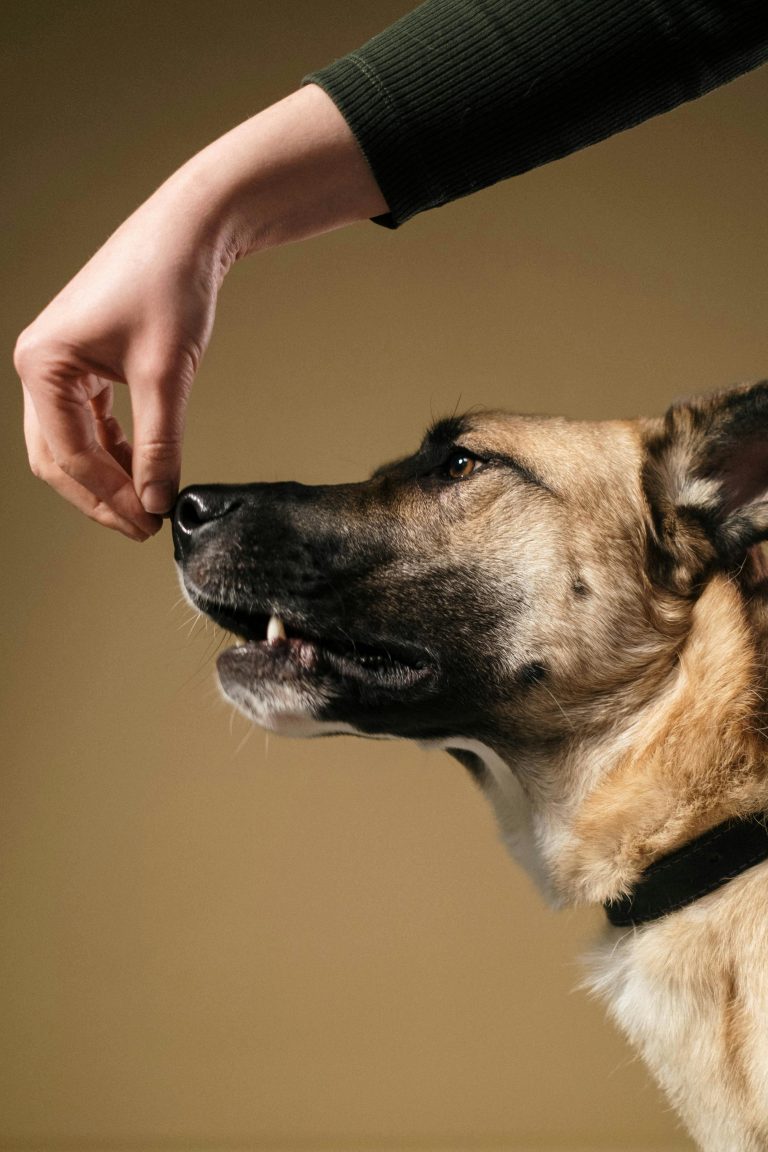
Positive reinforcement is a powerful tool to help your dog feel secure again. Reward your dog with treats, praise, or extra playtime whenever they display calm behavior. This encourages a sense of safety and well-being. Consistent positive interactions make them feel loved and understood. Reinforcing good behavior builds trust.
Training sessions can also benefit from positive reinforcement. When your dog successfully follows a command, reward them immediately. This helps them associate the command with positive outcomes. Regular short training sessions are more effective than long, sporadic ones. Keeping training sessions enjoyable is key.
Utilize interactive toys and games to keep your dog’s mind engaged. Offer praise and rewards during these activities to reinforce their positive experiences. This makes learning and playing a bonding event. Toys that dispense treats can add an extra layer of fun. These games teach your dog that good behavior results in rewards.
Consistency is vital in using positive reinforcement. Ensure that all family members use the same rewards and commands. This avoids confusion and strengthens learning. A unified approach accelerates your dog’s sense of security. Your dog will feel reassured by the predictability.
Finally, maintain a calm and positive demeanor around your dog. Dogs are very intuitive and can sense your emotions. By staying calm and positive, you help them to mirror your behavior. Your attitude can significantly impact their recovery. A happy, secure environment fosters a happy, secure dog.
Why Do Dogs Experience Travel-Related Stress?
Travel can be a major source of stress for dogs, and there are several reasons why. One key factor is the disruption of their routine. Dogs find comfort in predictability, and travel often upends their feeding, walking, and sleeping schedules. This sudden change can make them feel insecure. Familiar routines create a sense of safety for pets.
The unfamiliar sights, sounds, and smells while traveling also contribute to anxiety. New environments mean new experiences that can overwhelm your dog. They might encounter loud noises like car engines or crowded spaces filled with unfamiliar people. These new stimuli can be frightening. A dog’s keen senses make these perceptions even more intense.
Another reason dogs may experience travel stress is the confinement during transport. Whether in a car or on a plane, limited space restricts their movement. Many dogs are not accustomed to being confined for long periods. This restriction can lead to feelings of panic or claustrophobia. Ensuring they have familiar items like bedding or toys can help soothe them.
Separation anxiety also plays a role in travel-related stress for pets who are tightly bonded with their owners or other animals at home. Being away from their normal environment and social circle causes distress. This separation might make them act out or become overly clingy upon return. Providing extra attention during and after travel helps alleviate this anxiety.
Lastly, health concerns cannot be overlooked when discussing travel stress in dogs. Some dogs might experience motion sickness which adds to their discomfort during the journey.
Signs Your Dog Needs a Post-Travel Reset
Recognizing the signs that your dog needs a post-travel reset is crucial for their well-being. One common indicator is a change in their eating habits. If your dog suddenly refuses food or eats less than usual, it might be a sign of stress. It’s important to monitor these changes closely. Consistent appetite usually indicates a relaxed dog.
Behavioral changes are another clear sign your dog needs some extra care after travel. Increased barking, whining, or acting out can point to discomfort. If your normally calm dog becomes more anxious or destructive, it’s time to intervene. These behaviors often signal they are struggling to cope. Your attention and support are essential.
Physical symptoms can also provide clues about your dog’s need for a reset. Look out for signs like excessive scratching, licking, or changes in bathroom habits. These symptoms could indicate stress or even illness. Keeping a close eye on their physical health is important. Regular vet check-ups can help catch any underlying issues early.
Your dog’s social behavior can change post-travel as well. They might become unusually clingy or overly reserved, avoiding interactions. This shift can be their way of expressing insecurity. Re-establishing a safe, consistent environment can help them feel more secure. Offering positive reinforcement during this time is beneficial.
Sleeping patterns may also be disrupted after travel. A dog that is restless at night or sleeping more than usual might be signaling they need help. Restlessness often means they are anxious or uncomfortable. Providing a calming space for them to relax can enhance their sense of security. Gradually, their sleep patterns should improve.
Tips for Maintaining Long-Term Canine Well-being
Ensuring long-term well-being for your dog involves several key practices. Regular exercise is crucial for their physical and mental health. Consistent walks, playtime, and activities keep them fit and happy. Mental stimulation is equally important. Engage them with puzzles and training sessions.
A balanced diet tailored to your dog’s needs is essential. Consult with your vet to determine the best food and portion sizes. Avoid overfeeding and ensure they get all the necessary nutrients. Include a mix of proteins, vegetables, and healthy carbs. Keeping track of their weight helps maintain their health.
Regular vet check-ups are vital for catching any health issues early. Schedule visits at least once a year for a comprehensive health review. Vaccinations and parasite control should be up to date. Dental care is also important. Healthy teeth and gums contribute to overall well-being.
Socialization plays a big role in your dog’s happiness. Regular interactions with other dogs and people can improve their mood. Positive social experiences can help reduce anxiety and aggression. Choose safe environments for these interactions. Supervised playdates or dog park visits are great options.
Lastly, provide a loving and secure home environment. Positive reinforcement and consistent routines make dogs feel safe. Show them affection and care regularly. This emotional support is critical for their happiness. A happy dog is a healthy dog.
When to Seek Professional Help for Post-Travel Adjustment
Knowing when to seek professional help for your dog’s post-travel adjustment can be crucial. If your dog continues to show signs of stress or anxiety after a week, it might be time to consult a vet. Persistent changes in eating, sleeping, or bathroom habits are red flags. It’s better to address these issues early. This can prevent more serious problems down the road.
Behavioral changes that don’t improve with time may require professional intervention. If your dog becomes increasingly aggressive, timid, or shows destructive behavior, a behaviorist can help. These professionals can offer targeted strategies to manage and reduce stress. They can also provide valuable insight into your dog’s specific needs. Their expertise can make a significant difference.
Physical symptoms like excessive scratching, vomiting, or diarrhea should not be ignored. These can be signs of underlying health issues exacerbated by travel. A vet can conduct a thorough examination to rule out any medical conditions. Timely treatment can prevent complications. Always monitor your dog’s health closely.
Sometimes, the impact of travel can trigger psychological issues that require specialized care. Signs of severe anxiety such as constant shaking, drooling, or panting should be evaluated by a professional. They may recommend medications or therapies to help manage anxiety. Mental health is as important as physical health for pets.
If you’re unsure about your dog’s behavior or symptoms, seeking a professional opinion is always a good idea. Vets and behaviorists can provide guidance and reassurance. They can develop a comprehensive plan tailored to your dog’s needs. Professional help ensures your dog recovers fully and adjusts comfortably. Your pet’s well-being is worth the investment.
Frequently Asked Questions
Helping your dog readjust after holiday travel can be challenging. Here are some common questions and answers to support your efforts.
1. How can I tell if my dog is stressed after traveling?
Look for changes in your dog’s behavior, such as increased barking, whining, or destructive actions. Stress may also show through changes in eating or sleeping habits, excessive licking, or withdrawal from social interaction. Monitoring these signs can help you determine if your dog is stressed.
Physical symptoms such as shaking, drooling, or panting can also indicate stress. Addressing these signs promptly can prevent long-term issues. Providing a calm environment and sticking to familiar routines can help reduce stress. If symptoms persist, consulting a veterinarian is advisable.
2. What are some calming techniques for dogs after travel?
Using familiar scents, like their favorite blanket or toy, can be very soothing. Playing calming music or using white noise machines can drown out unfamiliar sounds that may be causing anxiety. Spending extra time with your dog can significantly help them feel more secure and relaxed.
Physical activities like gentle walks or interactive play can also help distract and calm your dog. Massage and gentle petting help relax tense muscles. If necessary, consider using calming supplements or products like anxiety wraps, but always consult your vet before trying new solutions.
3. How soon can I resume my dog’s regular exercise routine after travel?
It’s best to gradually reintroduce their regular exercise routine after travel. Start with short, familiar walks and slowly increase the length and intensity over a few days. This helps your dog adjust at a comfortable pace and prevents overwhelming them.
Monitor your dog’s energy levels and behavior closely during this transition. If they seem overly tired or stressed, reduce the activity slightly. Maintaining a balance between exercise and rest is crucial for a healthy adjustment. Always tailor the routine to your dog’s specific needs and comfort.
4. Why is my dog more anxious after car travel compared to other forms of travel?
Car travel can be more stressful for dogs due to the noise, movement, and confined space. They might not have many opportunities to move around or get fresh air. This can lead to heightened anxiety. Additionally, unfamiliar surroundings and varying speeds can make them feel uneasy.
Helping your dog by providing a comfortable, secure travel space can reduce anxiety. Using a crate or dog seatbelt can increase their sense of security. Frequent breaks for walks and water can also help. Gradually acclimating your dog to car rides by taking short trips before longer ones can also be beneficial.
5. What should I include in my dog’s post-travel check-up with the vet?
During a post-travel check-up, mention any changes in your dog’s behavior, eating, or sleeping patterns. Inform the vet about any physical symptoms like vomiting, diarrhea, or excessive scratching. These details help the vet identify potential issues and provide appropriate care.
Also, discuss any signs of stress or anxiety your dog might be showing. The vet can offer recommendations for managing these challenges. Regular health check-ups and timely vaccinations should also be ensured. Preparing a list of concerns before the vet visit can help make the check-up more productive.
According to the American Kennel Club, learning how to help your dog readjust after holiday travel can reduce stress-related behaviors and support a smoother transition back into daily routines.
Conclusion
Helping your dog readjust after holiday travel is essential for their health and happiness. By restoring routines, providing comfort, and addressing both physical and behavioral needs, you can support a smooth transition. Paying close attention to signs of stress ensures timely intervention.
Implementing these steps with care can make a significant difference. Your dog will feel more relaxed and secure, ensuring a happier life. Always consult your vet for any concerns, and enjoy the journey of strengthening the bond with your furry friend.