Everyday Habits to Help Your Dog Feel Secure: 5 Powerful and Positive Ways to Build a Happier Home
Everyday Habits to Help Your Dog Feel Secure at Home
Everyday habits to help your dog feel secure play a powerful role in shaping your dog’s emotional health. Dogs that feel safe at home are calmer, more confident, and better able to handle new situations.
While exercise and nutrition are important, emotional security allows dogs to truly thrive. When daily life feels predictable and supportive, dogs are less likely to develop fear-based behaviors or anxiety.
Below are five powerful and positive everyday habits to help your dog feel secure and happy at home.

Why Emotional Security Matters for Dogs
Dogs rely on their environment and their humans for emotional stability. Without security, dogs may experience chronic stress that affects both behavior and overall health.
Common Signs a Dog Lacks Security
| Behavior | What It May Mean |
| Excessive barking | Anxiety or uncertainty |
| Destructive chewing | Stress relief |
| Clinginess | Fear of separation |
| Withdrawal | Emotional overwhelm |
Building everyday habits to help your dog feel secure can prevent these issues before they escalate.
Everyday Habits to Help Your Dog Feel Secure With Consistent Routines
Consistency is one of the most effective everyday habits to help your dog feel secure. Dogs feel safest when they know what to expect.
Regular feeding times, walks, play sessions, and rest periods create a rhythm that reduces stress and uncertainty.
How Routines Build Confidence
| Daily Routine | Emotional Benefit |
| Scheduled meals | Predictability |
| Regular walks | Stability |
| Planned rest | Emotional balance |
| Training sessions | Trust building |
Dogs don’t need rigid schedules—just consistent patterns.
Everyday Habits to Help Your Dog Feel Secure Through Calm Communication
Another powerful everyday habit to help your dog feel secure is calm communication. Dogs are highly sensitive to tone, body language, and emotional energy.
Speaking calmly and moving intentionally helps dogs feel safe, even during stressful moments.
Calm vs Stressful Communication
| Calm Communication | Stressful Communication |
| Soft tone | Raised voice |
| Clear cues | Mixed signals |
| Relaxed posture | Tense movements |
Dogs that experience calm communication develop stronger trust and emotional security.
Everyday Habits to Help Your Dog Feel Secure by Creating Safe Spaces
Providing a safe retreat is an essential everyday habit to help your dog feel secure. Every dog needs a quiet place to relax without interruption.
A safe space allows dogs to self-regulate, decompress, and regain emotional balance.
What Makes a Dog Feel Safe at Home
| Safe Space Feature | Purpose |
| Quiet location | Stress reduction |
| Comfortable bed | Physical comfort |
| No punishment | Emotional trust |
| Limited foot traffic | Mental calm |

Everyday Habits to Help Your Dog Feel Secure With Quality Time
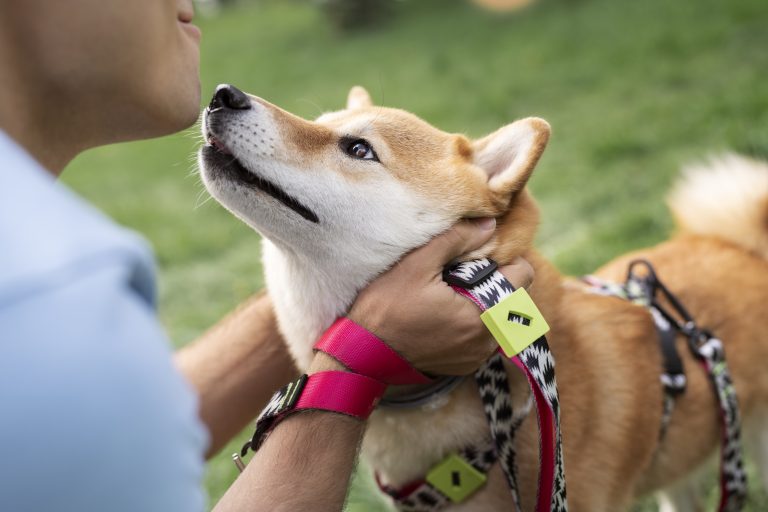
Intentional bonding is one of the most positive everyday habits to help your dog feel secure. Quality time doesn’t mean constant activity—it means meaningful presence.
Examples of Quality Time
| Activity | Emotional Impact |
| Calm walks | Confidence |
| Gentle play | Trust |
| Short training sessions | Mental stability |
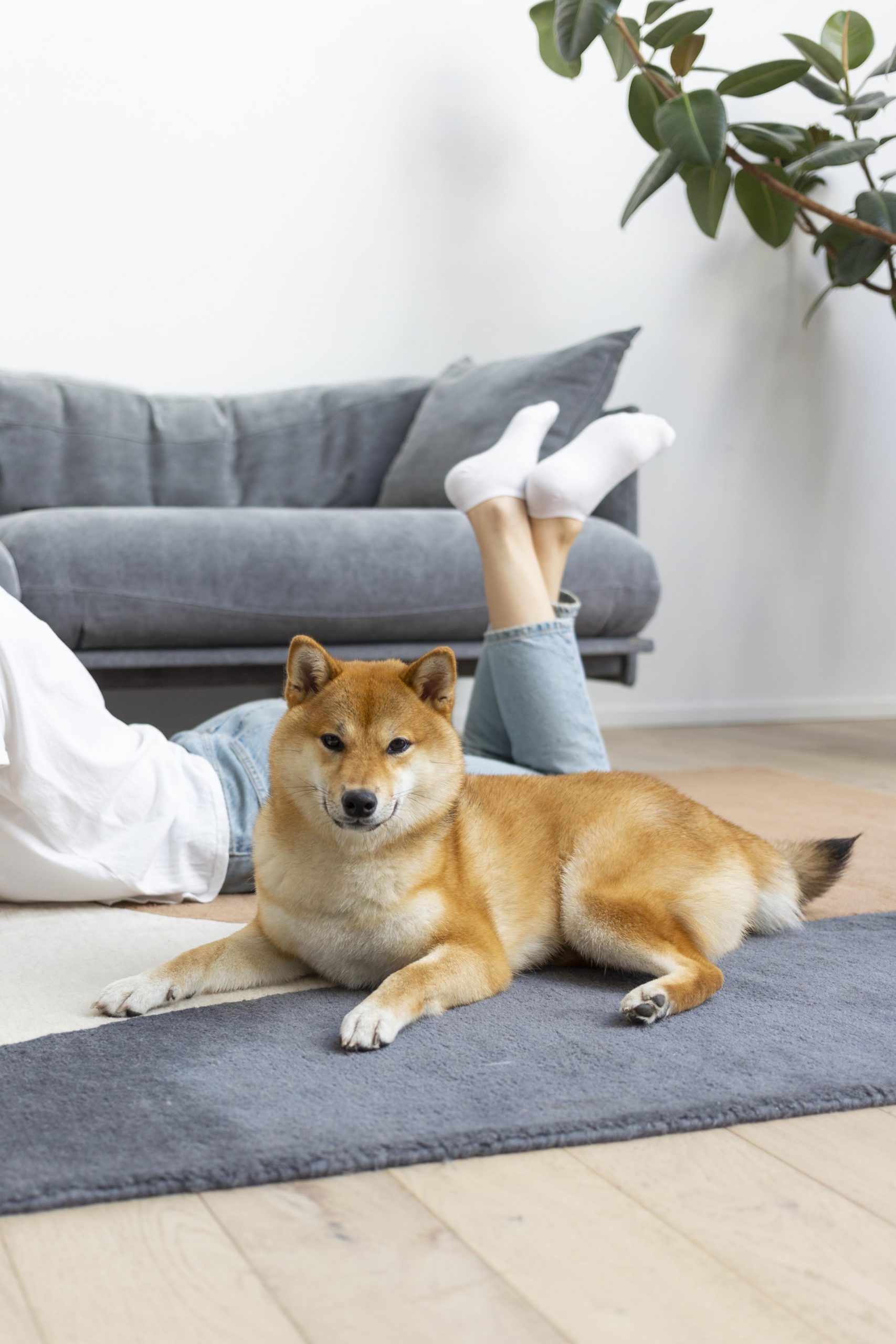
| Relaxing together | Security |
Everyday Habits to Help Your Dog Feel Secure Through Clear Boundaries
Clear boundaries reduce confusion and anxiety. Dogs feel safest when expectations are consistent and fair.
This everyday habit to help your dog feel secure builds confidence through structure and leadership.
Why Boundaries Matter
| Clear Boundaries | Result |
| Consistent rules | Predictability |
| Calm corrections | Trust |
| Fair leadership | Emotional balance |
How Long It Takes for Dogs to Feel Secure
Security develops over time. When everyday habits to help your dog feel secure are practiced consistently, improvements follow naturally.
| Timeframe | Typical Progress |
| 2–3 weeks | Reduced anxiety |
| 1–2 months | Increased confidence |
| 3+ months | Emotional stability |
Conclusion
Everyday habits to help your dog feel secure may seem small, but their impact is powerful. Consistency, calm communication, and emotional awareness create an environment where dogs feel safe and supported.
A secure dog is happier, healthier, and more connected to the people they trust most.