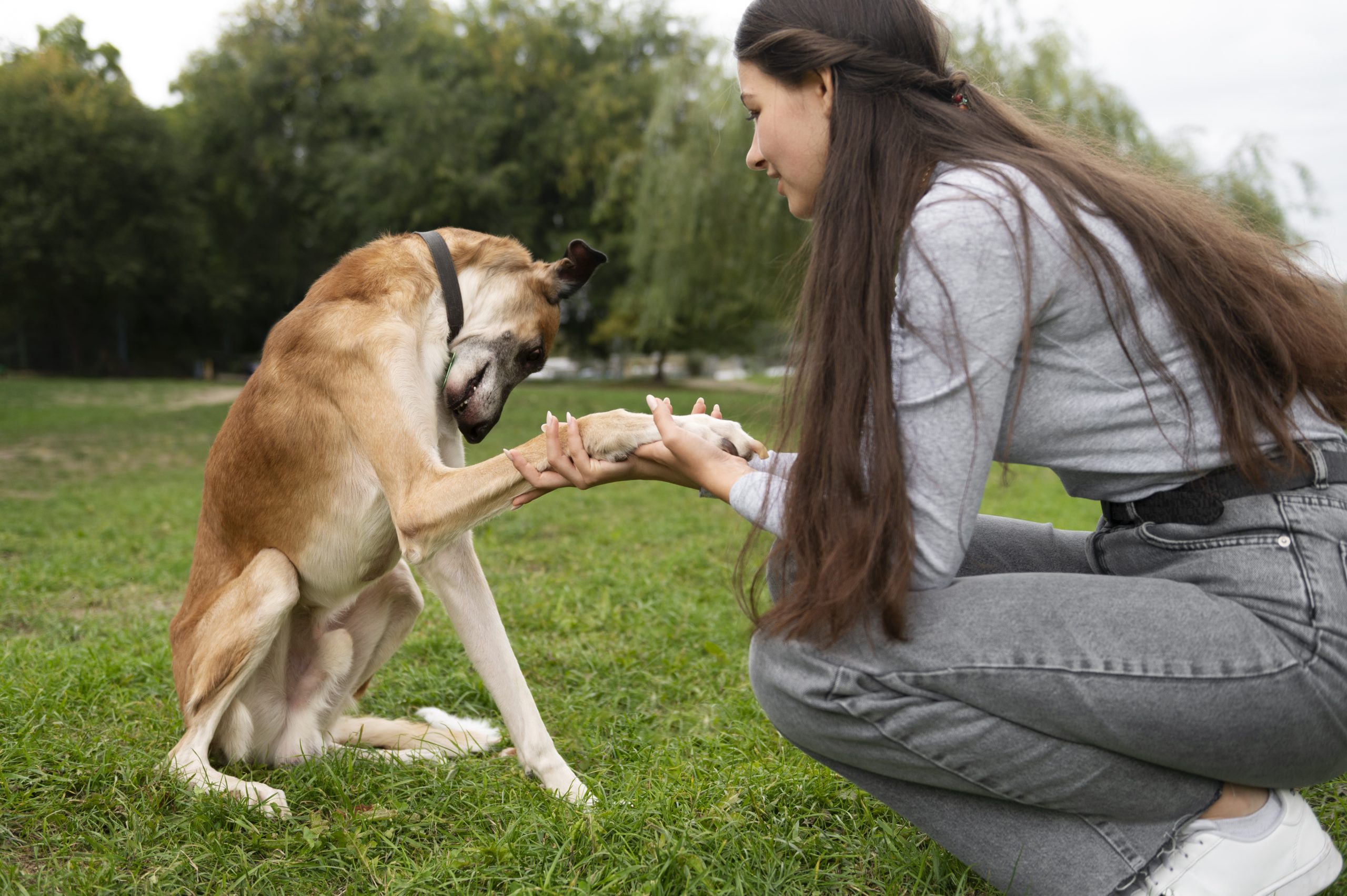
Dogs Understand Human Body Language: 8 Fascinating Signals They Read Every Day
Dogs Understand Human Body Language: 8 Fascinating Signals They Read Every Day
Dogs Understand Human Body Language
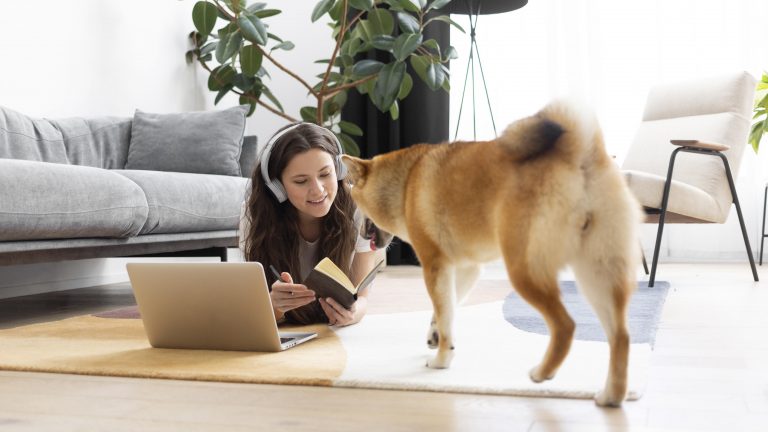
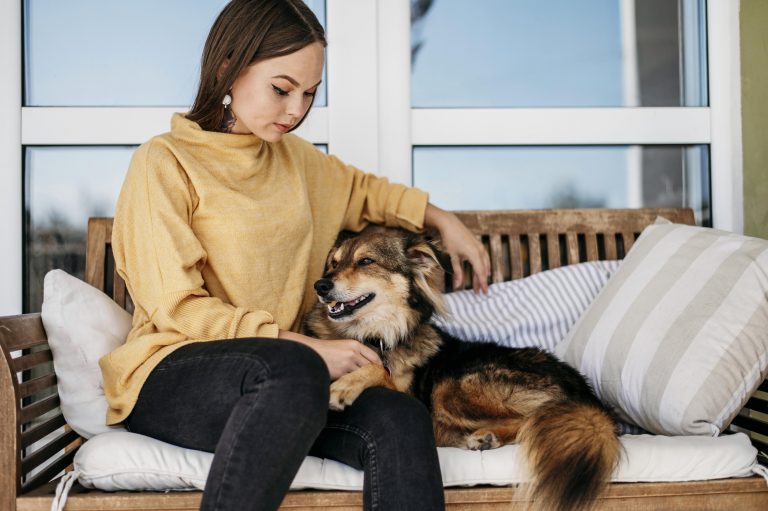
Dogs understand human body language far better than many people realize. While humans rely heavily on spoken language, dogs interpret the world primarily through physical signals such as posture, movement, facial expressions, and tone of voice.
Over thousands of years living alongside humans, dogs have developed an extraordinary ability to read subtle human cues. This skill helps them anticipate actions, understand emotions, and respond appropriately to different situations.
Understanding how dogs interpret body language can improve communication between owners and their pets, leading to better behavior, stronger trust, and a deeper bond.
The Science Behind Why Dogs Read Human Body Language
Dogs evolved alongside humans for thousands of years. During this time, they learned to observe human gestures as part of survival and cooperation.
Research suggests dogs are one of the few animal species capable of interpreting human pointing gestures and facial expressions. According to the American Kennel Club, dogs pay close attention to human posture, movement, and tone when interpreting communication.
This natural ability explains why dogs often respond to cues before owners even speak.
1. Facial Expressions
One of the first ways dogs understand human body language is through facial expressions. Dogs are remarkably sensitive to emotional cues in human faces.
Dogs can recognize expressions such as:
•Smiling
•Frowning
•Tension or stress
•Relaxation
Studies suggest dogs can distinguish between happy and angry human expressions and often respond differently based on emotional tone.
2. Eye Contact
Eye contact is another powerful signal dogs interpret. Direct eye contact can mean different things depending on context.
For example:
Type of Eye Contact What Dogs May Interpret
Soft eye contact Trust and affection
Intense staring Possible threat
Avoided eye contact Submission or uncertainty
Dogs often use eye contact to communicate trust and connection with their owners.
3. Posture and Body Position
Dogs understand human body language through posture as well. The way a person stands or moves can signal confidence, stress, or playfulness.
Dogs commonly respond to:
•Leaning forward
•Standing tall
•Kneeling down
•Turning away
For example, bending slightly toward a dog can signal engagement, while standing tall may appear more authoritative.
4. Hand Gestures
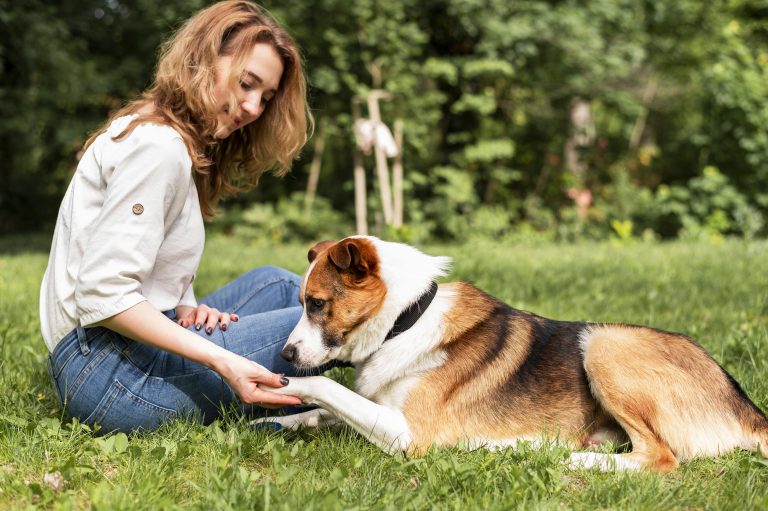
Many dog training methods rely heavily on hand signals because dogs respond strongly to visual gestures.
Common hand cues dogs recognize include:
•Pointing
•Hand signals for commands
•Open palms
•Directional movement
Dogs can learn to follow pointing gestures even without verbal instruction, showing how strongly they interpret physical cues.
5. Movement Speed
Another way dogs understand human body language is through movement patterns.
Fast movements may indicate excitement or urgency, while slow movements often signal calmness.
Dogs frequently mirror the emotional energy behind movement. When owners move calmly, dogs tend to respond with calmer behavior.
6. Voice Tone Combined With Body Language
Although voice tone is technically sound rather than body language, dogs interpret it alongside physical cues.
Dogs may react differently depending on whether a voice sounds:
•Happy
•Calm
•Angry
•Nervous
When tone and body language match, communication becomes clearer and easier for dogs to understand.
7. Walking Direction and Intent
Dogs also observe where humans move and how they walk. Walking direction often communicates intent.
For example:
•Walking toward the door may signal a walk
•Walking toward the kitchen may signal feeding
•Turning away may signal the end of playtime
Dogs quickly learn these patterns and anticipate what will happen next.
8. Emotional Energy
Perhaps the most fascinating way dogs understand human body language is through emotional energy. Dogs are highly sensitive to stress, tension, and relaxation.
According to the ASPCA, dogs often mirror the emotional state of their owners, responding to anxiety or calmness in their environment.
This emotional awareness explains why dogs often comfort their owners during stressful moments.
Why Understanding Body Language Improves Training
Recognizing that dogs understand human body language can dramatically improve training success.
Clear body language helps dogs:
•Interpret commands faster
•Respond more consistently
•Build confidence during learning
•Avoid confusion
When verbal commands conflict with body signals, dogs may become uncertain about what is expected.
Tips for Using Body Language With Your Dog
To communicate more effectively with your dog:
•Keep movements calm and clear
•Use consistent hand signals
•Maintain relaxed posture
•Avoid sudden threatening gestures
•Pair gestures with positive reinforcement
Consistent signals make learning easier for dogs.
Final Thoughts
Dogs understand human body language in remarkable ways. Through facial expressions, posture, gestures, and emotional cues, dogs continuously observe and interpret human behavior.
This natural ability helps dogs build strong relationships with their owners and navigate daily life more effectively. By becoming more aware of our own body language, we can communicate more clearly and strengthen the bond we share with our dogs.
When humans and dogs understand each other better, everyday interactions become calmer, happier, and more rewarding for both.