How Dogs Experience Time When Owners Are Away: 5 Surprising and Heartwarming Insights
How Dogs Experience Time When Owners Are Away
How dogs experience time when owners are away is a fascinating topic that many dog owners think about, especially when greeted by an excited dog after returning home. Whether you leave for ten minutes or several hours, dogs often respond with the same level of enthusiasm, making it seem like they believe you’ve been gone forever.
Dogs do not perceive time in the same structured way humans do. Instead of understanding minutes and hours, dogs rely on routines, scent changes, and emotional associations to interpret time. Understanding how dogs experience time when owners are away can help dog owners support their pet’s emotional health and reduce stress during separation.

1. Dogs Experience Time Through Routine Patterns
One of the most important ways how dogs experience time when owners are away is through consistent daily routines. Dogs quickly learn patterns in their environment and use those patterns to predict events.
Dogs commonly associate:
- Morning alarms with activity
- Shoes or keys with departures
- Feeding times with daily schedules
- Evening routines with rest
Routine creates a sense of stability. When routines remain predictable, dogs usually feel secure. However, sudden changes can disrupt their sense of timing and increase anxiety.
According to the American Kennel Club, dogs depend heavily on predictable routines and environmental cues to understand daily life events.
2. Dogs Use Scent to Measure Time
Another surprising factor in how dogs experience time when owners are away involves their powerful sense of smell. Dogs rely on scent much more than humans, and scent may help them estimate how long their owner has been gone.
Human scent gradually fades after leaving the home. Some researchers believe dogs may notice these scent changes and use them as a natural time indicator. The fresher the scent, the more recent the departure may feel to the dog.
This scent-based awareness helps explain why dogs often become excited when their owner returns, as the scent becomes strong again and signals emotional reunion.
3. Emotional Memory Shapes Time Perception
Dogs form deep emotional bonds with their owners. Emotional memory plays a major role in how dogs experience time when owners are away.
Dogs may not measure time accurately, but they strongly remember:
- Comfort and safety from their owner
- Shared daily experiences
- Emotional reassurance
Because of these emotional connections, dogs may react with excitement regardless of how long their owner has been gone. For dogs, emotional connection often matters more than the actual duration of separation.
4. Dogs Can Feel Stress During Long Absences
Understanding how dogs experience time when owners are away also includes recognizing emotional challenges some dogs face when left alone.
Dogs are naturally social animals. Without proper preparation, extended absences may lead to separation-related stress. Dogs that struggle with alone time may display behaviors such as:
| Behavior | Possible Meaning |
| Excessive barking | Anxiety or loneliness |
| Destructive chewing | Stress coping behavior |
| Pacing or restlessness | Separation discomfort |
| House accidents | Emotional distress |
| Excessive drooling | Anxiety response |
According to the ASPCA, consistent routines and enrichment activities help reduce separation-related stress in dogs.
5. Dogs Rely on Biological Rhythms to Predict Time
Another insight into how dogs experience time when owners are away involves their internal biological clock. Dogs naturally follow circadian rhythms, which help regulate sleep, hunger, and activity patterns.
These internal rhythms help dogs anticipate daily events even without visual time references. For example, dogs often become alert shortly before their owner usually returns home.
This biological rhythm reinforces routine-based time perception and contributes to predictable behavioral patterns.
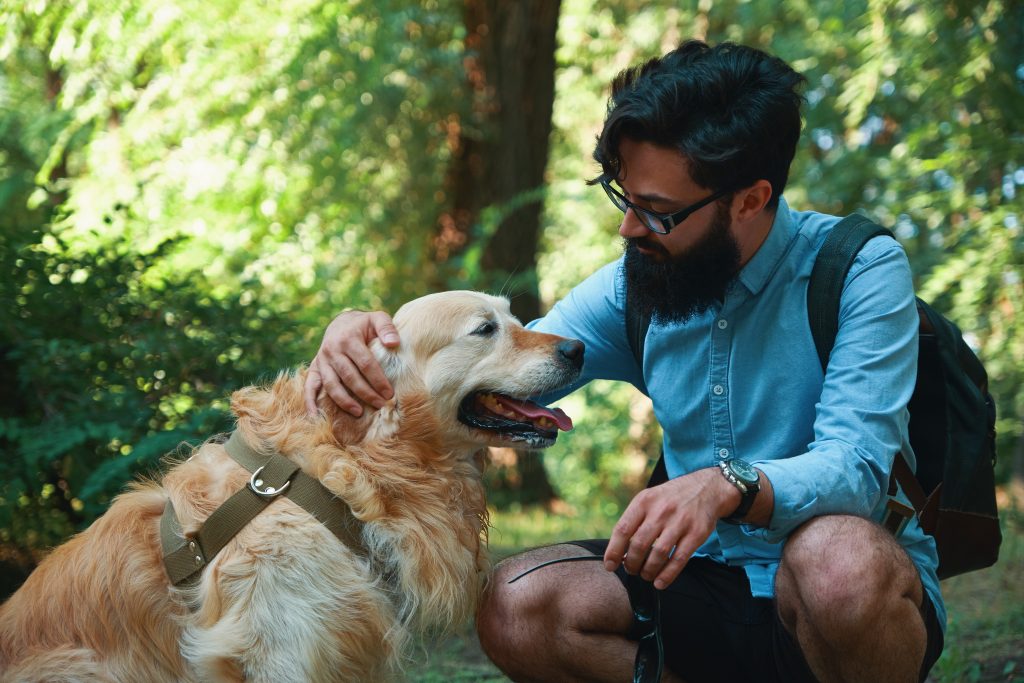
How to Help Dogs Feel Comfortable During Separation
Helping dogs adjust emotionally can improve how dogs experience time when owners are away.
Maintain Consistent Routines
Predictable schedules provide emotional stability and reduce anxiety.
Provide Mental Stimulation
Puzzle toys, chew toys, and enrichment activities keep dogs mentally engaged while owners are away.
Exercise Before Leaving
Physical activity encourages relaxation and helps dogs rest during alone time.
Avoid Emotional Departures
Calm exits help dogs learn that leaving is a normal and safe event.
Create a Comfortable Safe Space
Designated resting areas provide security and reduce stress.
Why Dogs Greet Owners So Excitedly
Many dog owners interpret enthusiastic greetings as proof dogs feel abandoned. In reality, greeting excitement is instinctive social behavior. Dogs naturally greet returning pack members with enthusiasm to reinforce social bonds and emotional connection.
The Science Behind Dog Time Perception
Research suggests dogs rely on associative memory, environmental cues, scent awareness, and biological rhythms to interpret time rather than structured measurement. This system allows dogs to predict routines and recognize familiar patterns even without clocks.
Final Thoughts
How dogs experience time when owners are away is influenced by routine, scent, emotional memory, and biological rhythms rather than traditional time awareness. While dogs may not measure time in hours or minutes, their emotional connection to their owners makes separation meaningful.
By maintaining consistent routines, providing enrichment, and supporting emotional security, dog owners can help their dogs feel safe and comfortable when left alone.
Understanding your dog’s perception of time strengthens trust and supports long-term emotional well-being.