Everyday Objects Dogs Form Emotional Attachments To: 6 Powerful and Surprising Examples
Everyday Objects Dogs Form Emotional Attachments To
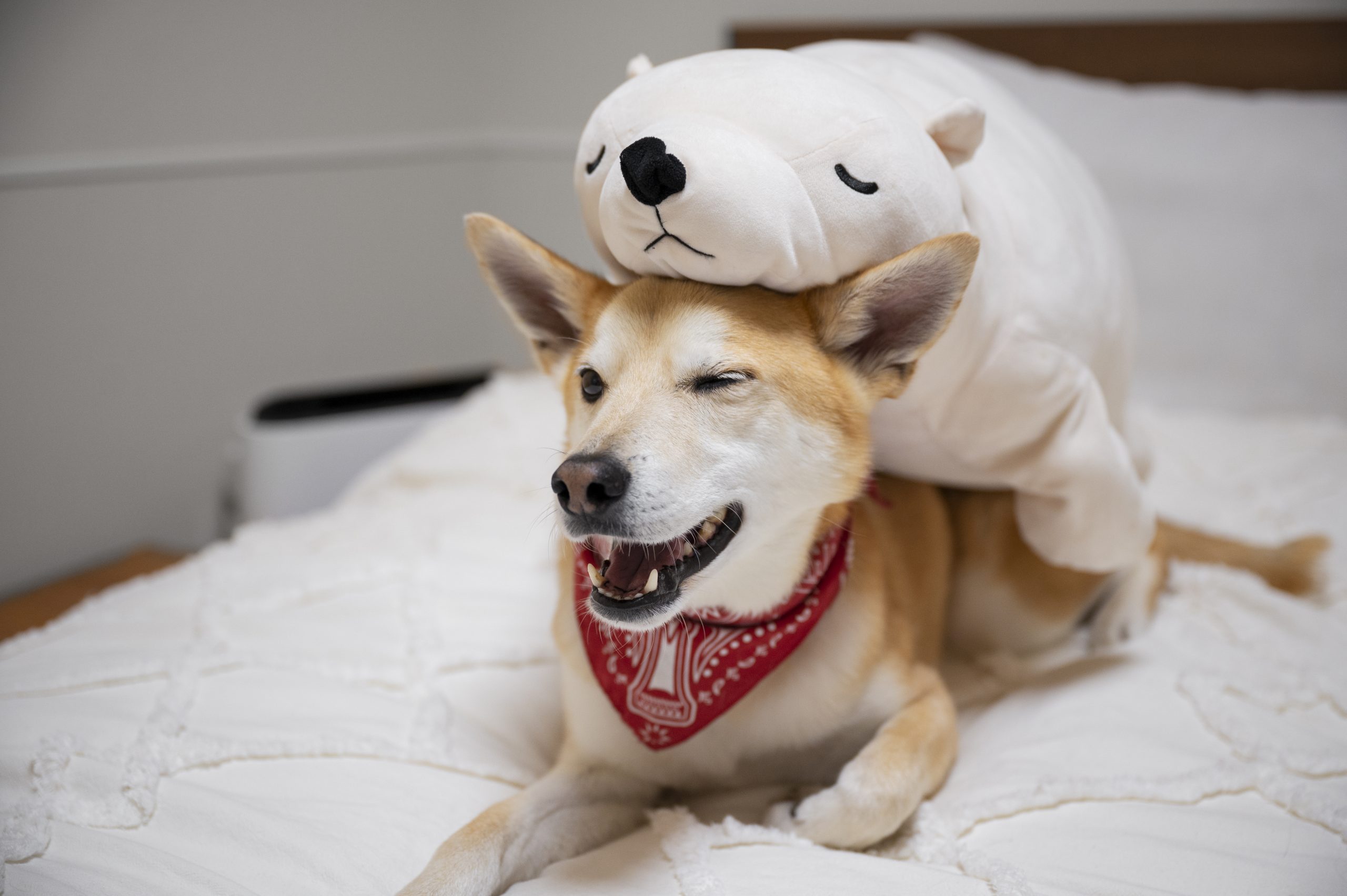
Everyday objects dogs form emotional attachments to are often overlooked because they seem ordinary to us. To dogs, however, these objects represent comfort, routine, safety, and emotional connection. Dogs experience the world primarily through scent and association, which is why certain items become deeply meaningful over time.
These attachments are not signs of weakness or dependency. In most cases, they are healthy emotional responses that help dogs cope with stress, change, or separation. Understanding why dogs form these bonds allows us to better support their emotional well-being and create environments where they feel secure.
Below are six everyday objects dogs form emotional attachments to—and the powerful reasons behind those bonds.
1. Favorite Toys
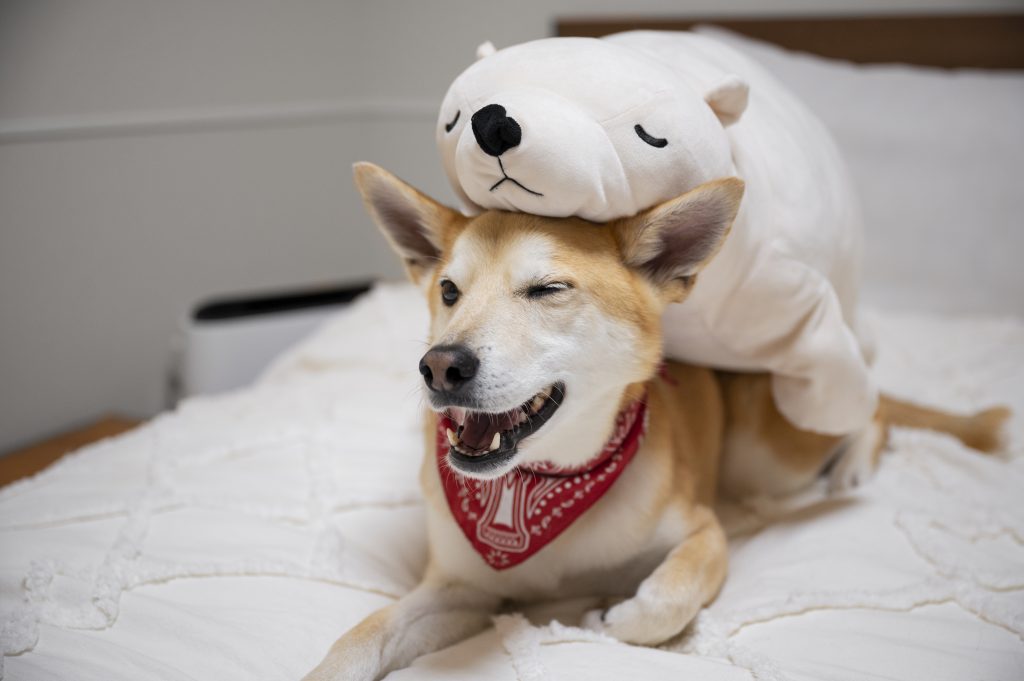
One of the most common everyday objects dogs form emotional attachments to is a favorite toy. While dogs may have multiple toys, many will choose one specific item to carry, sleep with, or seek out during stressful moments.
This attachment often forms because the toy is associated with:
- Positive play experiences
- Comfort during rest
- Familiar scents
Some dogs treat their favorite toy as a source of reassurance rather than entertainment. This is especially true for puppies, rescue dogs, or dogs experiencing change.
According to the American Kennel Club, dogs often develop preferences for toys based on scent and emotional association rather than appearance.
2. Blankets and Bedding
Blankets and dog beds are everyday objects dogs form emotional attachments to because they represent safety and rest. Items that absorb familiar scents—especially those of their owner—can significantly reduce stress.
Dogs often rely on bedding for comfort during:
- Sleeping
- Recovery from illness
- Separation from owners
- New environments
This is why bringing a dog’s bed or blanket when traveling or moving homes can make transitions smoother and less overwhelming.
3. Owner’s Clothing and Shoes
Clothing and shoes are among the strongest everyday objects dogs form emotional attachments to because they carry a concentrated scent of their owner. Dogs may choose to sleep near these items or seek them out when feeling lonely or anxious.
This behavior is rooted in emotional comfort rather than misbehavior. However, if chewing becomes destructive, it may indicate underlying separation anxiety rather than simple attachment.
Providing structured routines and calm departures can help dogs feel secure without becoming overly dependent on these objects.
4. Food and Water Bowls
Food and water bowls may seem purely functional, but they are also everyday objects dogs form emotional attachments to—especially when feeding routines are consistent.
Dogs associate these items with:
- Care
- Predictability
- Safety
Sudden changes in bowl placement, type, or feeding schedule can sometimes cause stress, particularly in dogs that thrive on routine or have experienced instability in the past.
Maintaining consistency around feeding helps reinforce emotional security.
5. Crates and Designated Safe Spaces
Crates and designated resting areas are powerful everyday objects dogs form emotional attachments to when introduced properly. These spaces become safe retreats where dogs can relax and decompress.
A well-established safe space allows dogs to:
- Self-regulate emotions
- Escape overstimulation
- Rest without interruption
According to the ASPCA, providing dogs with a calm and consistent safe space can significantly reduce anxiety-related behaviors.
6. Leashes and Walking Gear
Leashes, harnesses, and collars are everyday objects dogs form emotional attachments to because they symbolize positive experiences. For many dogs, seeing a leash triggers excitement, anticipation, and joy.
These items represent:
- Outdoor exploration
- One-on-one time with their owner
- Mental and physical stimulation
Over time, walking gear becomes emotionally meaningful because of the positive routines associated with it.
Why Dogs Form Emotional Attachments to Objects
Dogs form emotional attachments to objects for several key reasons:
| Reason | Explanation |
|---|---|
| Scent association | Familiar smells provide comfort |
| Routine | Predictability creates security |
| Positive experiences | Objects linked to joy or safety |
| Emotional regulation | Comfort during stress |
These attachments help dogs navigate their environment with confidence.
When Emotional Attachment Becomes a Concern
While everyday objects dogs form emotional attachments to are usually healthy, excessive attachment may indicate emotional distress.
Warning signs include:
- Panic when the object is unavailable
- Inability to relax without the object
- Destructive behavior toward the item
In such cases, focusing on confidence-building routines and emotional stability is more effective than removing the object entirely.
How to Support Healthy Object Attachment
You can support healthy emotional attachment by:
- Keeping routines consistent
- Rotating toys regularly
- Providing calm leadership
- Encouraging independence gradually
Objects should complement emotional security, not replace human connection.
Conclusion
Everyday objects dogs form emotional attachments to play an important role in helping dogs feel safe, grounded, and emotionally supported. These items act as emotional anchors that help dogs navigate daily life with confidence.
By recognizing and respecting these attachments, we can strengthen our bond with our dogs and create a home environment where they feel truly secure.