Holiday Leftovers for Dogs: 7 Safe Options After Thanksgiving
Every Thanksgiving, American households waste about 200 million pounds of turkey, a shocking statistic that opens up a crucial dialogue about food wastage. As we strive to reduce this figure, many pet owners begin to wonder if their furry friends can safely enjoy holiday leftovers. There’s good news: several Thanksgiving leftovers can be safe for dogs when properly prepared.
Historically, after the holiday feasts, families have found creative ways to repurpose leftovers, and extending the tradition to our canine companions can be both eco-friendly and rewarding. A blend of turkey meat without skin, plain sweet potatoes, and green beans can provide a nutritious treat for dogs. Approximately 64% of pet owners in the U.S. share human food with their dogs, highlighting the significance of knowing safe options.
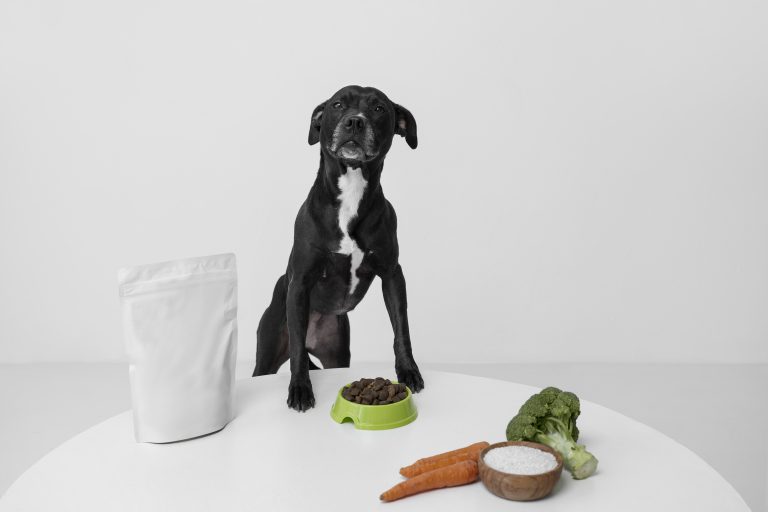
Plain turkey meat (no skin or bones), cooked sweet potatoes, steamed green beans, pumpkin puree (unsweetened and unspiced), plain carrots, mashed potatoes (no butter or seasonings), and apple slices (no seeds or core) are seven safe holiday leftovers for dogs. These options provide valuable nutrients while excluding harmful ingredients.
Holiday Leftovers for Dogs: 7 Safe Options After Thanksgiving
After the Thanksgiving feast, many pet owners look for safe leftovers to share with their dogs. Plain turkey meat is a top contender, but ensure it’s free of skin and bones. Cooked sweet potatoes are another safe and nutritious option. They are rich in vitamins and easy to digest. Steamed green beans make a great crunchy snack as well.
Another dog-safe leftover is pumpkin puree. This should be plain and free from sugar and spices to avoid upsetting your dog’s stomach. Plain cooked carrots can also be served. They provide vitamins and fibers which benefit your dog’s health.
Mashed potatoes can be safe if they’re prepared without butter, milk, or seasonings. These additives can be harmful to dogs. A simple mashed potato dish can still offer essential minerals. Similarly, apple slices work well as a treat.
However, it’s crucial to remove any seeds and core from the apples. Seeds contain cyanide, which is harmful to dogs. Below is a quick list of these safe options:
- Plain turkey meat
- Cooked sweet potatoes
- Steamed green beans
- Pumpkin puree
- Plain cooked carrots
- Plain mashed potatoes
- Apple slices
With these options, your dog can enjoy a bit of the holiday fun safely. Make sure to avoid anything with spices, butter, or seasoning.
1. Plain Turkey Meat (No Skin or Bones)
Plain turkey meat is a great treat for dogs after Thanksgiving. It’s a fantastic source of protein that supports muscle development. This meat should always be served without skin, as the skin contains too much fat. Removing any bones is essential because they can be a choking hazard. Boneless and skinless turkey meat ensures a safe treat.
Preparation is simple. First, thoroughly cook the turkey to avoid bacteria. Cut the meat into small, bite-sized pieces. This helps prevent choking and makes it easier for your dog to eat. These small pieces can be mixed into your dog’s regular food.
Many dogs enjoy the taste of plain turkey meat, making it a popular option. It’s essential to avoid adding any spices, salt, or seasoning. These extras can upset your dog’s stomach. Always serve it plain for the best results.
Allow the turkey to cool before giving it to your dog. Hot food can burn their mouth. Below is a quick guide for serving plain turkey meat:
- Cook thoroughly
- Remove skin and bones
- Cut into small pieces
- Avoid spices and seasonings
- Serve cool
These steps will ensure that your dog enjoys a safe and delicious treat.
2. Cooked Sweet Potatoes
Cooked sweet potatoes are a nutritious option for dogs. They’re packed with vitamins like A, C, and B6, which help support a dog’s immune system. Also, sweet potatoes are high in dietary fiber. This can aid in your dog’s digestion. Just be sure to cook the sweet potatoes thoroughly.
To prepare, peel and dice the sweet potatoes into manageable pieces. Then, boil or bake them until they are soft. Avoid adding any seasoning, butter, or sugar. These additives can be harmful to dogs. Serve the cooked sweet potatoes plain.
Many dogs find sweet potatoes tasty and enjoyable. This makes them an excellent treat or addition to regular meals. They can be mashed or served in chunks. Mixing sweet potatoes with your dog’s usual food can add valuable nutrients.
One thing to remember is the portion size. Too much sweet potato can cause upset stomachs. Below is a quick guide for serving cooked sweet potatoes:
- Peel and dice the potatoes
- Cook until soft
- Avoid seasonings and additives
- Serve plain
- Monitor portion sizes
These steps ensure that your dog can safely enjoy this nutritious treat.
3. Steamed Green Beans
Steamed green beans are an excellent choice for dogs. They are low in calories but rich in essential vitamins. This includes vitamins A, C, and K, which are crucial for a dog’s overall health. Green beans also provide dietary fiber. This can help with your dog’s digestion.
Preparing green beans for your dog is easy. Simply wash and trim the ends of the beans. Then steam them until they are soft but not mushy. Don’t add any butter, salt, or other seasonings. Dogs should eat them plain to avoid any digestive issues.
If your dog has never had green beans before, introduce them slowly. Start with a small portion to ensure they don’t have any adverse reactions. Most dogs will find green beans tasty and might even prefer them crunchy. Serving them as a treat or mixing them into their regular food can add variety.
Green beans are also great for dogs on a diet. They are filling yet low in fat, making them an ideal treat for overweight dogs. Consult your vet if you plan to add green beans to your dog’s diet regularly. Below is a quick guide for serving steamed green beans:
- Thoroughly wash and trim the beans
- Steam until soft
- Avoid seasonings and additives
- Start with small portions
- Monitor for any adverse reactions
By following these steps, you can ensure your dog safely enjoys steamed green beans.
4. Pumpkin Puree (Unsweetened and Unspiced)
Pumpkin puree is a fantastic treat for dogs, provided it’s unsweetened and unspiced. It is rich in fiber, which is excellent for your dog’s digestive system. This can help with issues like constipation and diarrhea. Pumpkin also contains vitamins such as A, E, and C. These vitamins support overall health and boost the immune system.
To prepare pumpkin puree, make sure to use only plain pumpkin. Avoid canned pumpkin pie filling, as it often contains sugar and spices that are harmful to dogs. Simply cook the pumpkin until it’s soft. You can mash it up or blend it for a smoother texture. This makes it easier for your dog to eat.
Adding pumpkin puree to your dog’s diet can be done in small amounts. You can mix it into their regular food or give it to them as a standalone treat. Measure the amount carefully to ensure they don’t consume too much fiber at once. This will help prevent any digestive upset.
Many dogs enjoy the taste of pumpkin puree. It can be a nutritious treat that adds variety to their diet. Below is a quick guide for serving this healthy option:
- Use only plain, unsweetened, and unspiced pumpkin
- Cook until soft and blend for a smooth texture
- Mix with regular food or give as a treat
- Start with small portions
- Monitor for any digestive issues
Following these steps will allow your dog to safely enjoy the benefits of pumpkin puree.
5. Plain Carrots
Plain carrots are a simple and nutritious snack for dogs. They are high in fiber and low in calories, making them a healthy treat. Carrots are also rich in vitamins like A and K, which support eye health and bone development. Many dogs enjoy the crunchiness of raw carrots. They can be a great way to keep your dog’s teeth clean.
Before serving carrots, make sure to wash them thoroughly. You can serve them raw or cooked, depending on your dog’s preference. Raw carrots are often more appealing because of their crunchy texture. Cooking the carrots can make them easier to chew for older dogs. Be sure to cut the carrots into bite-sized pieces to prevent choking.
Carrots can be a fun addition to your dog’s meals or given as treats. They offer a lot of health benefits and most dogs find them tasty. Just like with any new food, start with small portions. Monitor your pet to ensure there are no adverse reactions.
Including carrots in your dog’s diet can be both beneficial and enjoyable for them. Below is a guideline for serving plain carrots:
- Wash thoroughly
- Serve raw or cooked
- Cut into bite-sized pieces
- Start with small portions
- Monitor for any adverse reactions
These steps will help your dog safely enjoy the benefits of plain carrots.
6. Mashed Potatoes (No Butter or Seasonings)
Mashed potatoes can be a suitable treat for dogs when prepared correctly. It is essential to exclude butter, milk, and seasonings from the mashed potatoes. These additives can upset your dog’s stomach and may even be harmful. Plain mashed potatoes provide carbohydrates that can offer energy. They are a simple option that many dogs enjoy.
To prepare dog-friendly mashed potatoes, start by peeling the potatoes. Boil them until they become soft and easy to mash. Ensure they are thoroughly cooked before mashing them into a smooth consistency. Avoid adding any extra ingredients like salt or pepper. This plain method ensures your dog’s safety and enjoyment.
Mashed potatoes should be served in moderation as they are high in starchy content. Too much can lead to weight gain or digestive issues for your pet. Mixing small amounts with their regular food can add variety without overdoing it. Monitoring portion sizes is crucial.
Offering plain mashed potatoes occasionally can enrich your dog’s diet without causing harm:
- Peel and boil potatoes
- Mash until smooth
- Avoid all seasonings and additives
- Serve in small portions
- Mix with regular food if desired
By following these guidelines, you can safely share mashed potatoes with your furry friend.
7. Apple Slices (No Seeds or Core)
Apple slices are a refreshing and healthy snack for dogs. They contain vitamins A and C, which are beneficial for your dog’s overall health. Apples are also a good source of fiber. This can help improve your dog’s digestion. However, it is crucial to remove any seeds and the core before serving.
To prepare apple slices, start by washing the apple thoroughly. Then, cut the apple into thin slices. Be sure to remove the seeds and the core. Apple seeds contain cyanide, which is toxic to dogs. This ensures the safety of the treat.
Serving apple slices can be a fun and engaging way to give your dog a treat. These slices can be offered as a stand-alone snack or mixed into their regular food. The crunchy texture can also help clean their teeth. Just be sure to monitor the portion size to avoid giving too much.
Here’s a quick guide to serving apple slices safely:
- Thoroughly wash the apple
- Remove seeds and core
- Cut into thin slices
- Serve as a treat or mix with food
- Monitor portion sizes
Following these steps will allow your dog to enjoy a sweet and healthy treat.
Foods to Avoid When Sharing Thanksgiving Leftovers with Dogs
While it’s tempting to share your Thanksgiving meal with your dog, not all foods are safe. Certain ingredients can be harmful or toxic to dogs and should always be avoided. For instance, onions and garlic, commonly found in stuffing and gravy, can cause anemia. Grapes and raisins can lead to kidney failure. It’s crucial to know what’s harmful.
Many desserts and sweet items are dangerous for dogs. Chocolate is toxic to dogs and can cause severe health issues. Foods containing artificial sweeteners like xylitol can also be fatal. It’s best to keep all sweets out of your dog’s reach. This includes pies and cakes.
Certain dairy products should be avoided as well. Many dogs are lactose intolerant and can get sick from consuming milk, cheese, or butter. Fatty foods can lead to pancreatitis, a serious condition. Always stick to plain, lean meats and veggies when sharing leftovers.
Here’s a list of foods to avoid:
- Onions and garlic
- Chocolate
- Grapes and raisins
- Xylitol-containing foods
- Fatty foods
- Dairy products like milk, cheese, and butter
By keeping these items away from your dog, you can ensure their holiday is as safe as it is enjoyable.
Tips for Safely Preparing and Serving Leftovers to Dogs
Sharing leftovers with your dog can be delightful, but safety is key. First, always remove any bones from meats. Bones can splinter and cause choking or damage the digestive tract. Also, be sure to avoid any food with seasoning, as this can upset your dog’s stomach. Stick to plain, unseasoned leftovers.
When preparing vegetables, ensure they are thoroughly cooked without any added salt or butter. Raw or partially cooked vegetables can be difficult for dogs to digest. It’s also a good idea to cut food into small, manageable pieces. This prevents choking and makes the food easier to eat. Serving sizes should be moderate to avoid overeating.
Introduce new foods gradually to monitor for any allergic reactions or digestive issues. Start with small portions and observe how your dog reacts. If you notice any signs of discomfort, stop feeding them that particular food. Always keep fresh water available for your dog to help with digestion.
Here are some tips to remember when serving leftovers:
- Remove all bones from meats
- Avoid seasonings
- Thoroughly cook vegetables
- Cut food into small pieces
- Introduce new foods gradually
- Provide fresh water
Following these guidelines will ensure your dog enjoys their meals safely and healthily.
Nutritional Benefits of Holiday Leftovers for Canine Health
Sharing holiday leftovers with your dog can offer many nutritional benefits. Plain turkey meat is a great source of protein. Protein supports muscle development and overall health. Vitamins found in turkey, like B vitamins, can boost energy levels. These benefits make turkey an excellent treat.
Sweet potatoes are another nutritious option. They are rich in vitamins A, C, and B6, which support the immune system. The fiber in sweet potatoes aids in digestion. These nutrients can help maintain your dog’s health. Incorporating them into your dog’s diet can be beneficial.
Green beans and carrots are low-calorie treats packed with essential vitamins. They provide fiber, which aids digestion, and antioxidants that support overall health. Both vegetables can be served steamed or raw, depending on your dog’s preference. These vegetables add variety and nutrients to your dog’s diet. Regularly including them can promote good health.
Pumpkin puree is another healthy leftover. It’s high in fiber and helps with digestive issues. Unsweetened and unspiced pumpkin is the best option. It also contains vitamins like A, E, and C. Feeding pumpkin puree can help regulate your dog’s digestive system.
Here is a quick overview of the nutritional benefits:
- Turkey: High in protein and B vitamins
- Sweet Potatoes: Rich in vitamins A, C, B6, and fiber
- Green Beans and Carrots: Low in calories, high in fiber and antioxidants
- Pumpkin: High in fiber, helps with digestion, rich in vitamins
By including these holiday leftovers in your dog’s diet, you can provide a range of health benefits.
Signs Your Dog May Not Tolerate Certain Leftovers
Knowing the signs that your dog may not tolerate certain leftovers is crucial. One of the first signs is vomiting. If your dog starts vomiting after eating, it’s a clear indication that the food doesn’t agree with them. Diarrhea is another common sign. These symptoms can dehydrate your dog quickly.
Pay attention to your dog’s energy levels. If they become lethargic or unusually tired, it could be due to the food they ate. Some dogs may also experience bloating. A swollen abdomen and discomfort are warning signs to stop feeding that particular leftover. Always consult your vet if you notice these signs.
Itching and skin irritation can also indicate a food intolerance. Dogs may scratch more or develop red patches. These are allergic reactions to certain ingredients in the food. Constant scratching can lead to infections. Watch for changes in your dog’s coat and skin.
Below is a list of signs to look out for:
- Vomiting
- Diarrhea
- Lethargy
- Bloating
- Itching and skin irritation
Monitoring your dog’s response to new foods can help keep them safe and healthy.
Frequently Asked Questions
Sharing holiday leftovers with dogs can be done safely if you know which foods are appropriate. Here are some common questions on what to feed or avoid for a healthy and happy dog during the holiday season.
1. Can dogs eat turkey skin?
Turkey skin is not safe for dogs to eat. It contains a high amount of fat, which can cause digestive issues and potentially lead to pancreatitis. Pancreatitis is a serious condition that requires immediate veterinary attention. Always remove the skin before offering turkey to your dog.
Instead, give your dog plain, cooked turkey meat without the skin. It provides a good source of protein without the harmful fats. This ensures your dog’s meal is both tasty and healthy. Keeping leftovers plain and simple is the best way to go.
2. Are mashed potatoes safe for dogs?
Mashed potatoes can be safe for dogs if prepared correctly. Make sure they are plain and do not contain butter, milk, or seasonings, as these can upset your dog’s stomach. Starchy foods like potatoes should also be given in moderation to prevent weight gain.
Plain mashed potatoes can provide a source of carbohydrates and energy. Mixing them with your dog’s regular food can add variety, but always monitor portion sizes. It is crucial to ensure the potatoes are cooked thoroughly and served plain.
3. What vegetables are safe for dogs during Thanksgiving?
Several vegetables are safe and healthy for dogs, including green beans, carrots, and sweet potatoes. These vegetables should be cooked and served without any added salts or seasonings to prevent digestive issues. They offer fiber and essential vitamins that benefit a dog’s diet.
Green beans are low in calories and high in fiber, making them a great option. Sweet potatoes provide vitamins A and C, which support the immune system. Always introduce new foods gradually and monitor your dog for any adverse reactions.
4. Can dogs have pumpkin pie filling?
Pumpkin pie filling is not safe for dogs because it typically contains sugar and spices that can be harmful. Instead, opt for plain pumpkin puree, which is safe and beneficial for dogs. Pumpkin puree can help with digestion and is full of vitamins.
Always ensure the pumpkin puree is unsweetened and unspiced. It can be mixed with your dog’s food or given as a small treat. The simplicity of plain pumpkin puree makes it a healthy and safe addition to your dog’s diet.
5. Is it safe to give dogs leftover stuffing?
Stuffing is generally not safe for dogs because it often contains onions, garlic, and other ingredients that can be toxic. These ingredients can cause severe health issues, including damage to red blood cells. It’s best to avoid giving stuffing to your dog altogether.
If you want to share holiday leftovers, stick to basic, unseasoned foods like plain turkey or veggies. By doing so, you ensure that your dog stays healthy and enjoys their treats without any risk. Always be cautious and consult your vet if you are unsure about specific foods.
According to the American Kennel Club, offering holiday leftovers for dogs is safe when you stick to dog-friendly foods and avoid ingredients like garlic, onions, and heavy seasoning.
Conclusion
Providing your dog with safe, nutritious holiday leftovers can be a delightful part of your Thanksgiving festivities. By choosing appropriate foods like plain turkey, sweet potatoes, and green beans, you ensure their health and well-being. Avoiding harmful ingredients like seasonings, bones, and fatty foods is essential. This careful approach keeps your dog happy and healthy.
Understanding the signs of food intolerance is equally important. Monitoring for symptoms like vomiting, diarrhea, and lethargy helps in safeguarding your pet. With thoughtful planning and mindful feeding, your fur friend can enjoy the holiday season alongside you. Always prioritize their safety and consult your vet with any concerns.